


As the UK experiences more frequent and intense heatwaves, homeowners across the North West are increasingly prioritising climate-resilient property modifications. Recent data suggests a significant shift in residential investment strategies, with many residents moving away from energy-intensive cooling systems in favour of structural shading solutions to mitigate the impact of rising ambient temperatures on traditional housing stock.
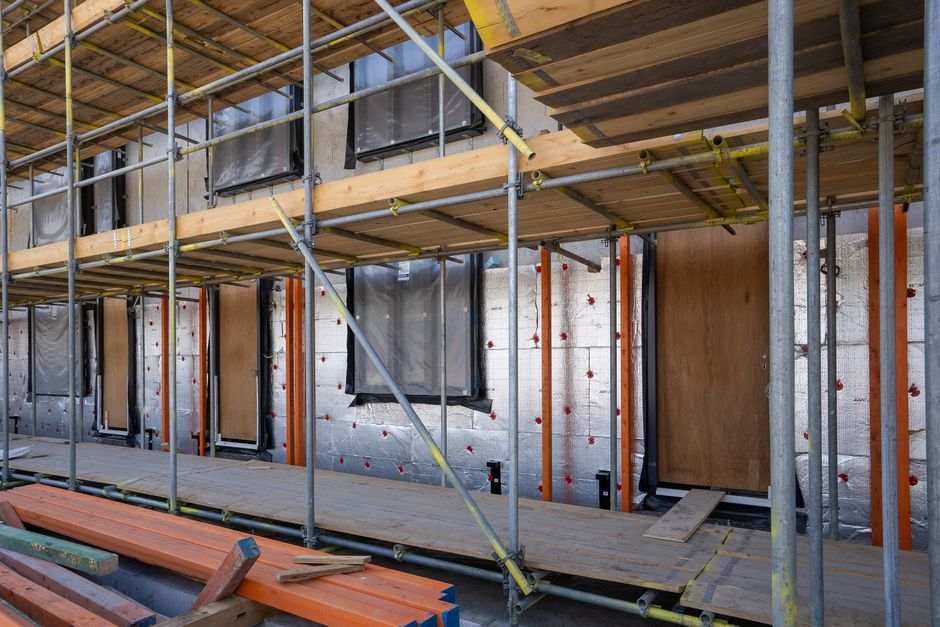
According to building industry specialists, the reliance on high-energy air conditioning units is being challenged by the superior efficacy of external shading systems. Experts note that these exterior fixtures are capable of rejecting up to three times more solar heat than conventional internal blinds, effectively preventing thermal gain before it penetrates the building envelope. This preventative approach is becoming a core component of modern property development and renovation projects, as owners seek to lower operational costs while maintaining indoor comfort levels.
The trend highlights a broader concern regarding the suitability of existing residential architecture in the face of shifting environmental conditions. Many older properties, while aesthetically significant to our local landscape, were designed for insulation against cold rather than ventilation during extreme heat. As the region evaluates its flagship construction projects, there is growing pressure to integrate passive cooling techniques into both new-builds and historical retrofits to ensure long-term sustainability.
Furthermore, the financial burden of managing indoor climates is becoming a critical talking point for residents, particularly as households balance utility expenses with necessary home improvements. While student rental and residential markets continue to grapple with shifting regulatory and economic landscapes, the push for thermal efficiency is likely to become a permanent fixture in local property valuations. If these patterns persist, we expect to see a sustained increase in capital expenditure on exterior home enhancements as property owners adapt to the new, warmer climate reality.