

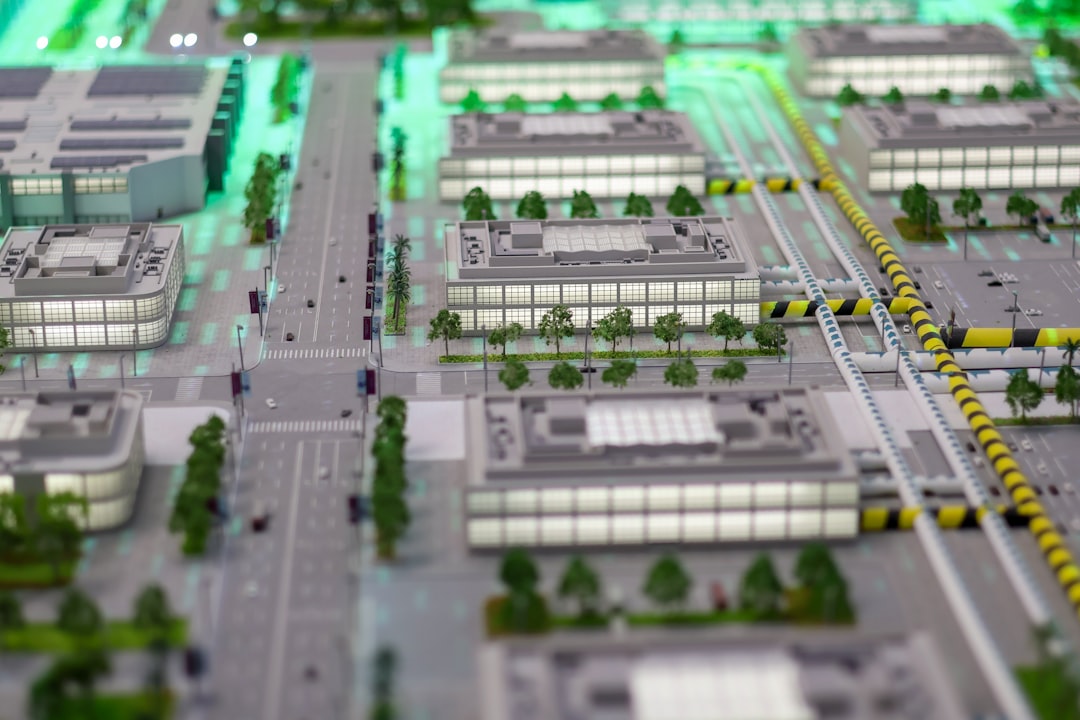

UK smart city projects represent a transformative shift in how our metropolitan landscapes manage data, resources, and public services to improve daily life. As we see a rapid increase in digital integration across local councils, Liverpool and its regional counterparts are at the forefront of this technological migration. These initiatives rely on advanced data analytics, ubiquitous sensor networks, and high-speed connectivity to turn aging infrastructure into responsive, living environments. The integration of these systems is not merely a modern convenience but a strategic necessity for sustainable development. The Liverpool Bulletin team prepared this guide for you.
UK smart city projects in Liverpool?
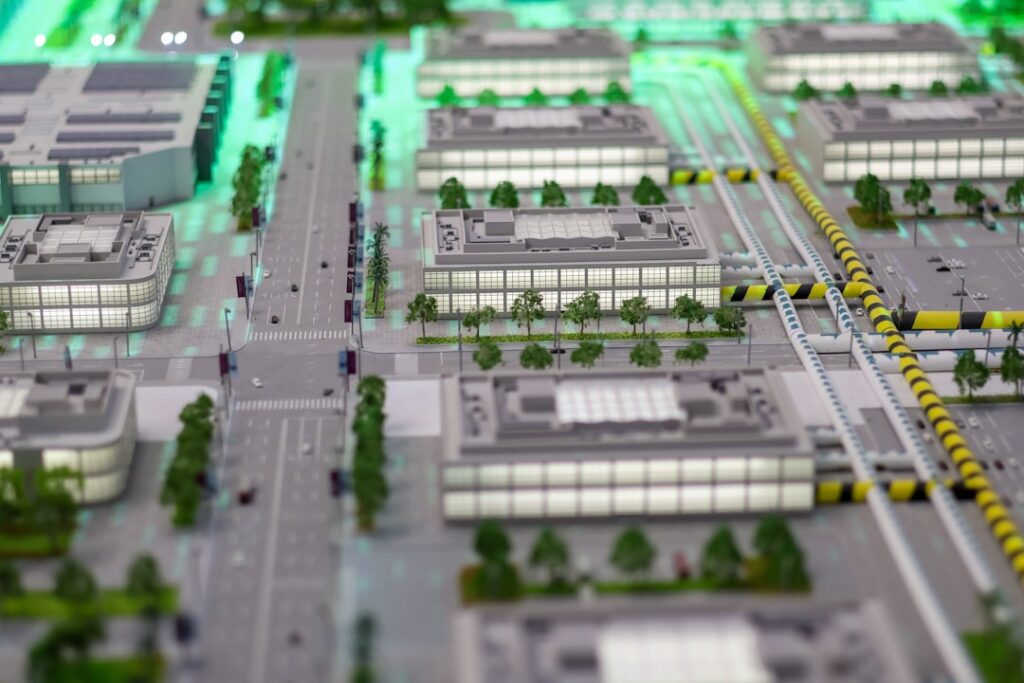
UK smart city projects involve the systemic application of Internet of Things (IoT) technologies and sophisticated software to monitor and optimize urban movement and energy consumption. According to a report by the Smart Cities World Forum, the deployment of robust IoT infrastructure in UK cities has successfully reduced traffic congestion by an average of 15 percent (Smart Cities World Forum, 2023). This data-driven approach allows city planners to reconfigure public spaces dynamically, ensuring that resources are allocated where they are needed most. By streamlining flow and connectivity, these projects provide a foundation for future innovations, including the top AI companies in Liverpool that are currently leveraging urban data to build better services.
Driving Investment and Infrastructure Development
The financial backing for these technological upgrades is significant and reflects a long-term commitment to national modernization. The UK Department for Digital Culture, Media and Sport reported that various smart city initiatives received over 200m GBP in both public and private funding during 2023 (UK Department for Digital Culture Media and Sport, 2023). This substantial capital infusion has allowed local authorities to replace obsolete equipment with smart sensors that track everything from air quality levels to structural integrity in bridges and historic buildings. Such massive funding highlights that the transition is no longer experimental but a core pillar of the current national fiscal strategy.
Infrastructure evolution is not limited to physical building materials or traffic lights; it encompasses the digital backbone required to support a growing population. For instance, cities are now deploying low-latency 5G networks to ensure that autonomous vehicles and public utility monitoring systems remain operational at all times. This digital transformation is vital for sustaining the growth of the Liverpool biotech sector, which requires high-bandwidth environments to handle complex medical datasets. As more cities adopt these frameworks, the standard for urban living is being recalibrated to prioritize efficiency, speed, and safety.
- Deployment of high-frequency traffic sensors to manage peak hour flow.
- Implementation of smart grid technology to optimize local electricity distribution.
- Installation of environmental monitoring stations to track carbon emissions in real-time.
- Expansion of public-access data portals that allow citizens to view city performance metrics.
- Integration of emergency service response coordination through centralized digital hubs.
The Long-Term Impact on Urban Management
Analyzing the long-term trajectory of UK smart city projects reveals a move toward greater civic transparency and environmental accountability. When cities utilize data to monitor pollution or waste management, they provide citizens with clear evidence of progress toward sustainability targets. The efficiency gained by these projects, such as the reduction in traffic congestion reported by the Smart Cities World Forum (2023), leads to measurable decreases in local carbon footprints. This shift supports a more resilient urban core that can withstand the pressures of population density and climate change.
Furthermore, the scalability of these technologies means that solutions tested in major tech hubs are being rapidly adopted by mid-sized urban areas. This cross-pollination of innovation ensures that the benefits of the 200m GBP investment (UK Department for Digital Culture Media and Sport, 2023) are felt across the country, not just in specific districts. As businesses and professionals move toward flexible, digitally-enabled environments, cities are also focusing on creating the infrastructure to support modern life. We can see this in the increasing demand for specialized facilities for professionals, which is mirrored in the growth of remote work hubs and co-working spaces that benefit from reliable high-speed city connectivity.
Technological advancement within our borders is an analytical process that requires rigorous testing and public-private cooperation. The successful integration of smart sensors and analytics demonstrates that when technical data informs policy, the resulting urban improvements are both sustainable and beneficial for all residents. As we continue to monitor these developments, the focus will remain on how effectively these systems translate into measurable improvements in quality of life. The path forward is clearly defined by the intersection of high-speed connectivity and smarter resource management. You can contact us for any questions at https://liverpoolbulletin.co.uk/contact.
References
UK Department for Digital Culture Media and Sport (2023). Smart Cities Infrastructure Investment Report.
Smart Cities World Forum (2023). The Impact of IoT on UK Urban Traffic.