How to open a boutique hotel in Liverpool requires more than just a keen eye for interior design or a passion for guest services; it demands a deep comprehension of the city’s complex economic landscape. Liverpool has transformed itself from a post-industrial port city into a premier cultural destination, creating a unique vacuum for high-end, personalized lodging experiences that prioritize local character over the bland uniformity of global franchises. Navigating the regulatory framework, finding the right architectural heritage, and securing the necessary funding are steps that require patience and analytical rigor. The Liverpool Bulletin team prepared this guide for you.
How to open a boutique hotel in Liverpool?
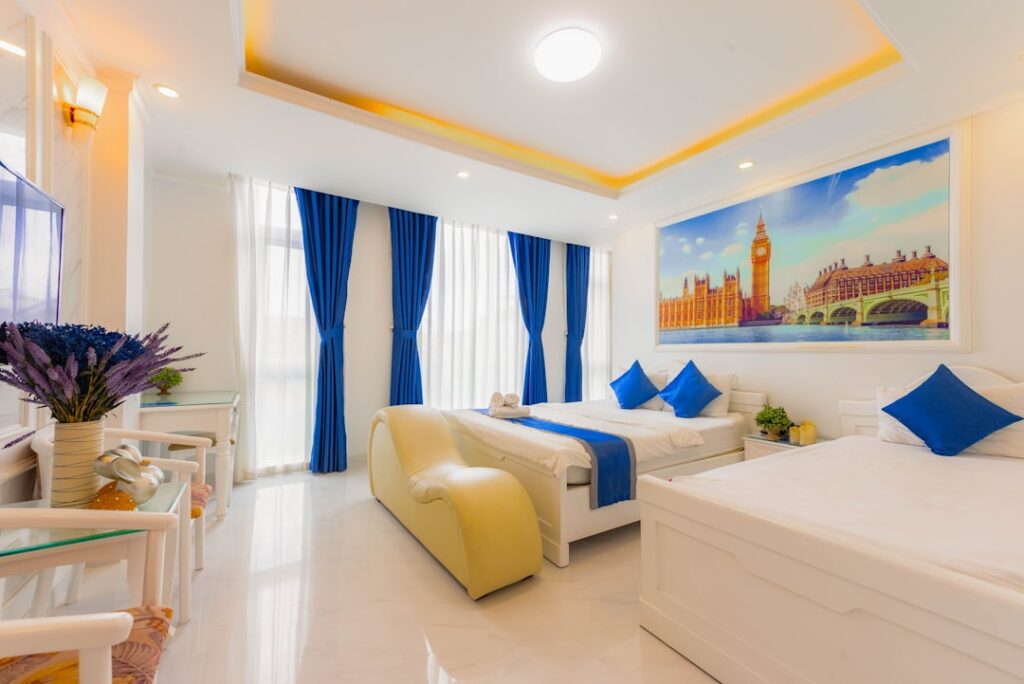
How to open a boutique hotel in Liverpool begins with acknowledging that the city is currently experiencing a significant surge in visitor volume that necessitates specialized, intimate accommodation models. This sector growth is not merely anecdotal; empirical evidence suggests that Liverpool’s tourism economy expanded by more than 15 percent in the two years leading up to 2023, effectively driving an urgent demand for boutique accommodations (VisitBritain, 2023). Prospective entrepreneurs must therefore align their business strategies with the evolving desires of a modern demographic that values authenticity, historical narrative, and bespoke service above traditional corporate luxury.
The Historical Context of Urban Hospitality
Looking back at the structural evolution of the Merseyside hospitality industry, one observes a distinct pivot away from mass-market tourism models that once dominated the city’s waterfront. Throughout the early 2000s, the focus was primarily on scale and volume, with large chains competing for the transient traveler market. However, the revitalization of the Baltic Triangle and the northern docklands shifted the gravitational pull toward creative districts, providing fertile ground for independent, niche properties. This shift mirrors broader trends observed in European cultural capitals, where the demand for urban authenticity has become a primary driver of investment.
The city’s transition is deeply tied to its architectural legacy, where repurposing Victorian warehouses and Georgian townhouses has become a standard approach to boutique development. These structures are not merely shells for lodging; they are the vessels of Liverpool’s commercial history, offering potential operators an intrinsic competitive advantage. By leveraging this heritage, a new entrant can create a sense of place that international chains find nearly impossible to replicate. It is this marriage of historical integrity and modern comfort that defines the current standard for success in our local market.
For those interested in the broader economic trends supporting these developments, one should examine how other sectors, such as Liverpool tech startups, are simultaneously reshaping the city’s demographics. These new industry leaders often bring with them a demand for professional yet personalized living spaces during their extended business stays. Understanding these interconnecting layers of the economy is essential for any hotelier who intends to survive beyond the initial launch phase.
“True hospitality is found in the intersection of local history and the comfort of the modern traveler, creating a narrative that speaks to the very soul of the city.”
The Changing Preferences of Modern Travelers
Contemporary market analysis confirms that the average visitor to our region is becoming increasingly sophisticated in their search for lodging. A study conducted by Liverpool John Moores University found that tourists are demonstrating an unmistakable preference for localized, heritage-styled boutique hotels rather than the standardized offerings of large international chains (Liverpool John Moores University, 2022). This preference is rooted in a desire for deep engagement with the host city, where the hotel serves as a gateway to local culture, art, and history rather than a detached bubble.
To capitalize on this shift, your planning strategy must incorporate several core pillars that resonate with the modern traveler’s psychology. The emphasis should be placed on unique storytelling, highly curated local partnerships, and architectural preservation that honors the site’s original purpose. By focusing on these elements, you ensure that your property becomes a destination in its own right, capable of commanding higher room rates and fostering repeat visits from high-value demographics.
When drafting your business plan, consider the following critical elements that distinguish a successful boutique property from its competitors:
- Strategic integration of regional art and local craftsmanship.
- Personalized concierge services that leverage local expertise.
- Adaptive reuse designs that highlight historical architectural features.
- Sustainability-focused operations that reduce your environmental footprint.
Furthermore, navigating the regulatory environment in Liverpool requires meticulous attention to the city’s planning policies, particularly concerning buildings of historical significance. Engaging with local conservation officers early in the development process can prevent costly modifications later on, while also potentially securing support for sensitive renovations. Understanding these technical hurdles is as important as the aesthetic design, ensuring that your long-term operational success remains anchored in both legal compliance and market desirability.
Building a brand that endures in this competitive landscape requires an unwavering commitment to the values of independence and quality. You are not merely opening a hotel; you are curating an experience that represents the best of Liverpool. As you proceed with your feasibility studies and property searches, keep the changing expectations of the global visitor at the forefront of every decision. If you maintain this scholarly focus and analytical rigor, your project will likely find a stable and rewarding place in the city’s vibrant hospitality ecosystem. You can contact us for any questions. https://liverpoolbulletin.co.uk/contact
References
VisitBritain (2023). Liverpool Tourism Economic Impact Study.
Liverpool John Moores University (2022). Shifts in Consumer Accommodation Preferences in Northern England.