

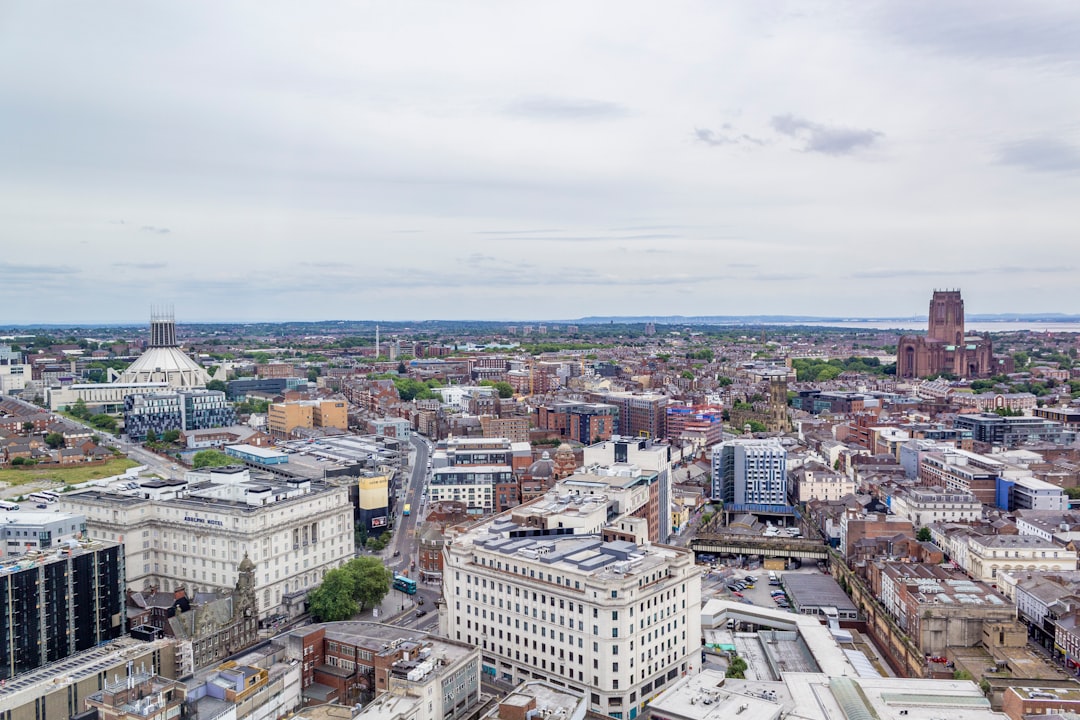

Liverpool property market forecast reports for 2024 present a compelling narrative for those observing the intersection of urban renewal and financial stability in the North West. While capital cities across the United Kingdom grapple with stagnant conditions, this city continues to demonstrate a unique resilience rooted in its historical transition from a maritime powerhouse to a modern service-led economy. Analyzing the current landscape requires a deeper look into how post-industrial regeneration has successfully recalibrated local housing values. Understanding the trajectory of this environment is essential for anyone considering a long-term commitment to the area. The Liverpool Bulletin team prepared this guide for you.
Liverpool property market forecast 2024: Is the city growing?
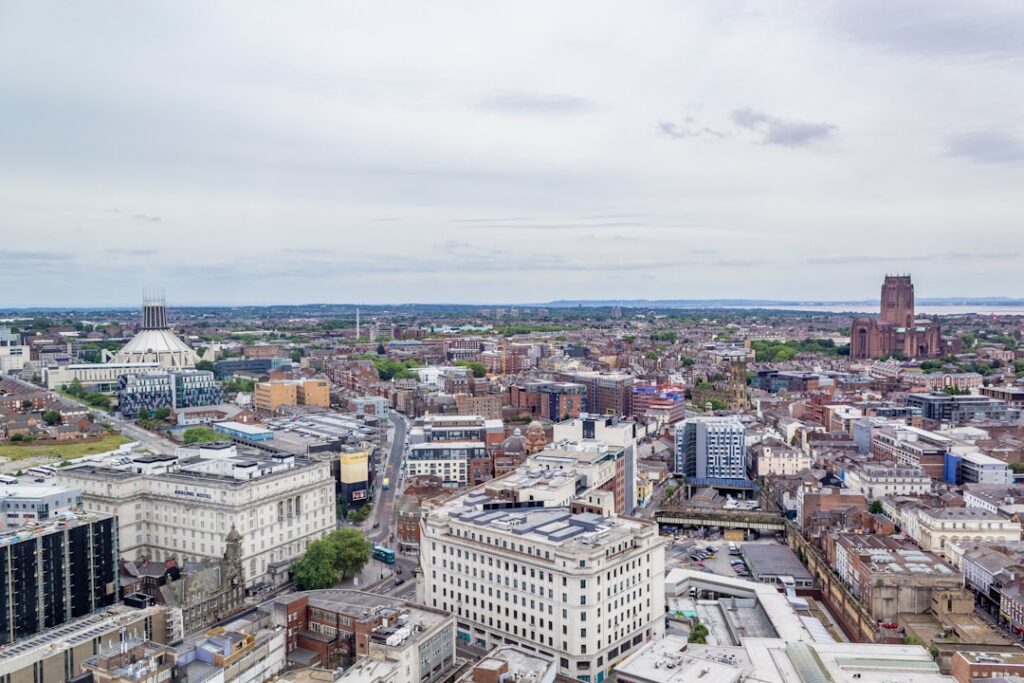
Liverpool property market forecast trends currently highlight a city in the midst of a sustained upward trajectory, defying broader national trends that have seen prices plateau in southern regions. This regional performance is significantly influenced by the city’s capacity to attract consistent demand through improved infrastructure and localized economic stimulation. By observing current data, it becomes clear that investors are shifting their attention toward areas that balance affordability with high growth potential, signaling a mature approach to real estate acquisition.
The Architecture of Economic Resilience
The contemporary valuation of homes in our region is not merely a consequence of national inflation but is deeply tied to the city’s post-industrial regeneration efforts. Looking back at the historical shift following the deindustrialization of the docklands, one can observe how the city systematically replaced derelict infrastructure with cultural and residential developments that serve as pillars for the current market. This structural evolution has created a foundation where property assets are no longer speculative gambles but are instead grounded in tangible urban improvements.
The resilience of the northern housing sector is intrinsically linked to the strategic reclamation of brownfield sites, which have transformed forgotten industrial corridors into the vibrant, high-demand residential hubs we see today.
Recent investigations confirm that specific initiatives are acting as primary catalysts for this growth. Research by Savills points out that the ongoing Kensington and Bootle regeneration projects are key drivers for long-term property value growth in the city (Savills, 2023). These projects provide the necessary stability to ensure that demand remains consistent even during periods of broader economic uncertainty. When examining Victorian architecture, one can see how these older assets gain a premium status, effectively anchoring the market while new developments modernize the neighborhood appeal.
It is important to acknowledge that the current market momentum is supported by a significant discrepancy between local affordability and the rising cost of living. While London prices stagnate, Zoopla’s 2024 housing market report indicates that Liverpool saw a 4.5 percent year-on-year increase in average house prices (Zoopla, 2024). This divergence suggests that the city is increasingly viewed as an attractive alternative for those priced out of more volatile markets, further reinforcing the strength of the regional outlook.
Future Horizons and Strategic Investment
As we gaze toward the end of the year and into 2025, the strategic importance of localized development cannot be overstated. The influx of capital into the Northern Powerhouse sector has provided a secondary benefit by improving transportation links and public amenities, which in turn elevates the desirability of peripheral districts. Investors who understand the geography of growth are increasingly prioritizing these areas, recognizing that the long-term value is tethered to the quality of life being cultivated in these newly revitalized spaces.
Furthermore, the data suggests that buyers are becoming more analytical, looking beyond mere square footage to consider the broader economic context of their purchase. The following elements represent the core pillars currently influencing the market sentiment:
- The impact of ongoing regeneration in districts like Kensington on localized property yields.
- The shifting demographic demand that favors sustainable urban living over suburban expansion.
- The role of the city’s historical identity in preserving long-term asset value through heritage preservation.
- The influence of national housing policy on local tax and mortgage affordability for first-time buyers.
For those navigating these complexities, it is worth noting that the city is not just a destination for capital, but a space for human stories that redefine our city narrative. Whether one is a seasoned investor or a local family looking for a home, the analytical perspective remains the same: focus on the regions where infrastructure improvement meets historical value. This disciplined approach is likely to yield the most stable results as the market continues to evolve through the remainder of the 2024 cycle. Even when faced with personal challenges, such as the fight for health, the local community remains the most important factor in the enduring success of our urban environment.
The Liverpool property market forecast serves as a reminder that stability is often found in places where local commitment matches state-led investment. By analyzing the data provided by (Savills, 2023) and (Zoopla, 2024), it is evident that we are moving toward a period where the city’s specific economic characteristics will continue to insulate it from wider national fluctuations. As you proceed with your investment or residential choices, consider the long-term historical context rather than temporary price spikes. This analytical mindset will provide you with the necessary clarity to make informed decisions that align with the broader growth patterns identified in our recent research. You can contact us for any questions. Contact Us
References
Zoopla (2024). UK Housing Market Index: Q1 Report.
Savills (2023). Northern Powerhouse Residential Development Outlook.