

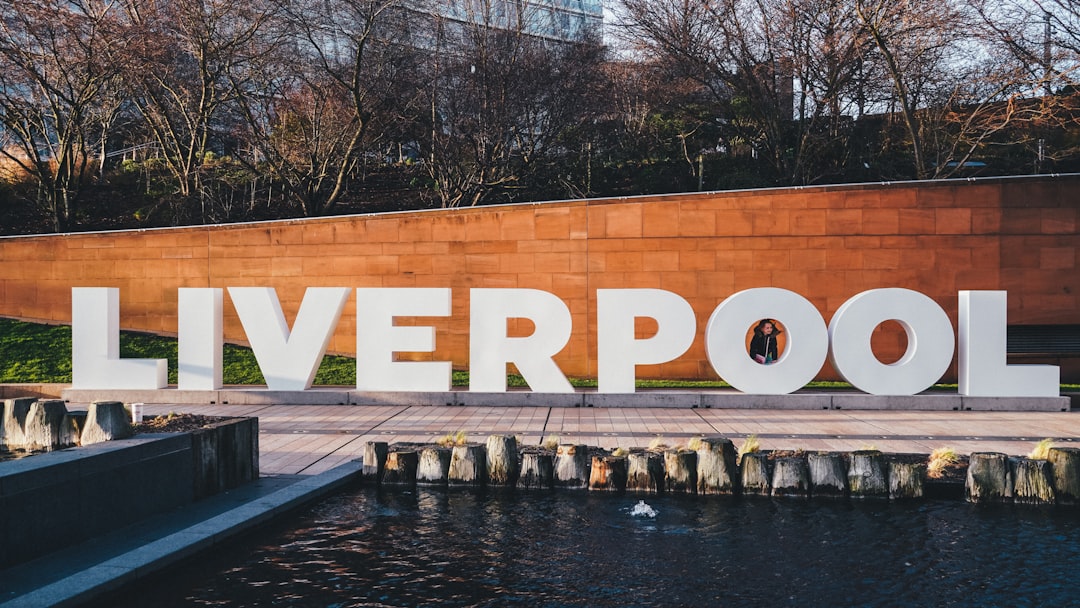

Liverpool student accommodation serves as the foundational cornerstone for thousands of young scholars arriving in our historic city each year to pursue their academic ambitions. Navigating the dense urban landscape of Merseyside requires a nuanced understanding of how historical housing patterns have converged with modern lifestyle expectations to create our current environment. As the city continues to expand its academic influence, the proximity of one’s residence to lecture halls and social hubs becomes a defining feature of the undergraduate experience. Whether you are seeking a quiet space for research or a dynamic community nestled in the city core, this selection process deserves careful attention and foresight. The Liverpool Bulletin team prepared this guide for you.
Liverpool student accommodation in the city centre?
Liverpool student accommodation has evolved significantly over the past two decades, transitioning from traditional university-managed halls to sophisticated, private purpose-built facilities that prioritize both study and social comfort. This transition reflects a broader shift in the regional demographic landscape, where the demand for high-quality housing has scaled in direct proportion to our rising university enrollment figures. According to a 2023 report by the Liverpool City Region, student numbers have reached record highs, which has fundamentally increased the demand for private accommodations throughout the metropolitan area (Liverpool City Region Combined Authority, 2023).
The Origins of the Shift
Historically, the student population was largely sequestered in traditional dormitories, often situated on the periphery of the city’s bustling commercial districts. These older institutional buildings were constructed during an era when the university experience was characterized by a strict divide between the classroom and the home. However, as the urban core began its extensive redevelopment, architects and property developers recognized an opportunity to integrate residential living directly into the heart of the city’s intellectual corridors. This transformation was not merely aesthetic but a calculated response to the modern student’s desire for accessibility and communal integration. By placing students in the center of the city, developers successfully fostered an environment where local commerce and scholarly life could exist in a symbiotic relationship. When observing these changes, one must acknowledge that the modern housing landscape in Liverpool is now defined by its density and its strategic location relative to the major transport nodes. The move toward purpose-built units has allowed the university population to influence the cultural fabric of our districts in ways that were previously inhibited by distance. If you are currently monitoring the local landscape, our Liverpool property market forecast provides further insight into how these residential shifts influence broader real estate trends.
The philosophical shift toward purpose-built living also mirrors the changing expectations of international students who now view their housing as a comprehensive service rather than a basic utility. These contemporary developments offer more than just a room; they provide inclusive gymnasiums, cinema rooms, and collaborative study spaces that redefine the concept of a dorm. From a scholarly perspective, this professionalization of student living spaces has arguably contributed to the high retention rates of graduates who choose to settle in the city after their studies. The long-term economic impact of this migration cannot be overstated, as these residents become integral participants in our local economy. Indeed, research by Savills indicates that Liverpool is one of the top UK cities for student property investment due to its high yield margins, a fact that validates the ongoing commitment to developing high-standard residential quarters (Savills, 2023). This investment has ensured that the city remains at the forefront of the higher education sector in the North West.
Looking Ahead at the Residential Landscape
As we project into the future, the sustainability of this residential model will rely on the delicate balance between rapid urban expansion and the preservation of our iconic architectural heritage. One must be careful to distinguish between transient housing and long-term community building, as the latter requires a deliberate effort to incorporate students into the established neighborhoods of Liverpool. The integration of students into the local fabric is a process that requires patience and a deep appreciation for the social history of our streets. For those who enjoy learning about the physical evolution of our city, understanding Liverpools Victorian architecture can provide a valuable contrast to the modern developments currently defining the skyline. When considering where to live, it is essential to look beyond the superficial amenities and consider the architectural longevity and structural integrity of the buildings that will serve as your home for the next several years. A residence should be viewed as a vessel for one’s growth and intellectual development rather than merely a logistical necessity.
The ongoing growth in the student sector, highlighted by the record-breaking numbers of 2023, suggests that the market for private purpose-built facilities will continue to mature (Liverpool City Region Combined Authority, 2023). This maturation phase will likely see a move toward even more sustainable and technologically advanced living solutions that cater to the digital-native student population. However, the true value of living in Liverpool remains rooted in its enduring community spirit and its rich cultural narrative. As new residential projects continue to alter the city’s map, students should seek out housing that offers a sense of place and belonging rather than transient accommodation. For those researching the stability of our neighborhoods before deciding on a living space, the recent internet blackout in Maghull serves as a reminder to always vet the infrastructural reliability of any district you consider as your future home. As the old saying goes, “The best home is not merely a place of rest, but a springboard for the mind.” By choosing a residence that aligns with both your academic requirements and your desire for cultural engagement, you ensure a productive and memorable tenure in our fine city. You can contact us for any questions. https://liverpoolbulletin.co.uk/contact
References
Liverpool City Region Combined Authority (2023). Higher Education Student Demographics Report.
Savills (2023). UK Student Accommodation Investment Index.