

By using this site, you agree to the Privacy Policy and Terms of Use.
Accept
Liverpool BulletinLiverpool BulletinLiverpool Bulletin
Font ResizerAa
  • Home
  • Business
  • City
  • Scene
  • Spaces
  • Sport
  • Style
  • Tech
Reading: EV Charging in Liverpool: What the 2026 Network Means for Drivers
Share
Font ResizerAa
Liverpool BulletinLiverpool Bulletin
  • Home
  • Business
  • City
  • Scene
  • Spaces
  • Sport
  • Style
  • Tech
Search
  • Home
  • Business
  • City
  • Scene
  • Spaces
  • Sport
  • Style
  • Tech
Follow US
Home » EV Charging in Liverpool: What the 2026 Network Means for Drivers
Electric Vehicle Charging Infrastructure: The UK Network Gap
Tech

EV Charging in Liverpool: What the 2026 Network Means for Drivers

Sarah Patel
Sarah Patel
22/07/2026
Electric Vehicle Charging Infrastructure: The UK Network Gap

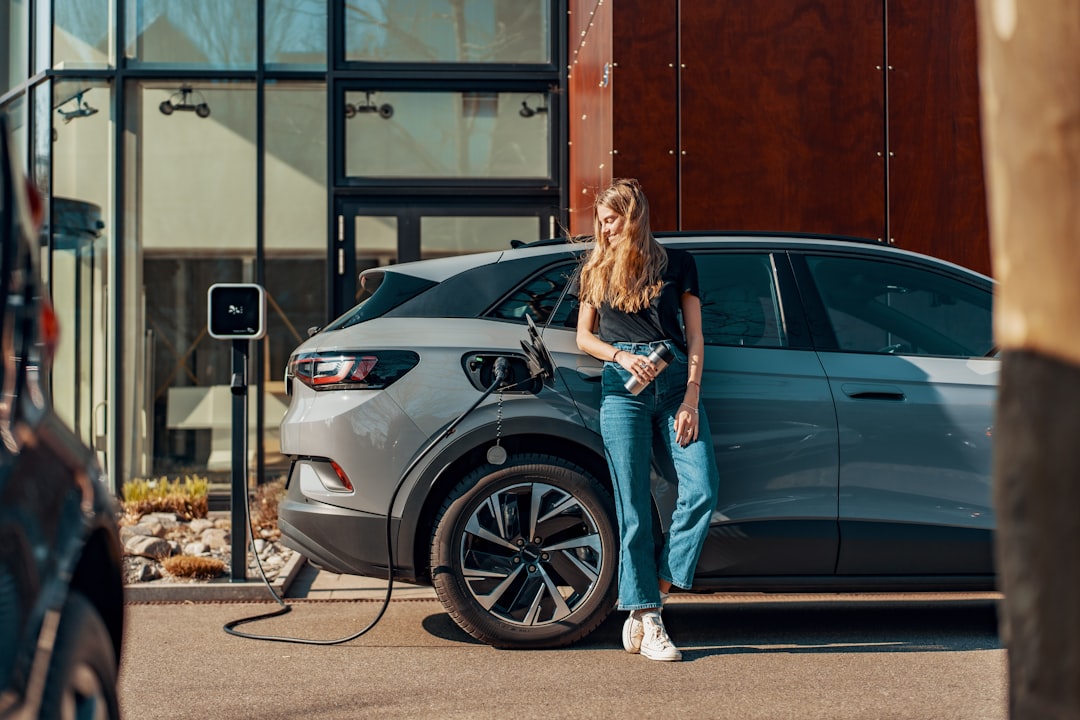
Electric vehicle charging is becoming a routine part of transport infrastructure rather than a niche service. For Liverpool drivers, the useful question is no longer simply whether public charging exists, but where chargers are available, how quickly they can deliver power and whether the network is reliable enough for everyday journeys.
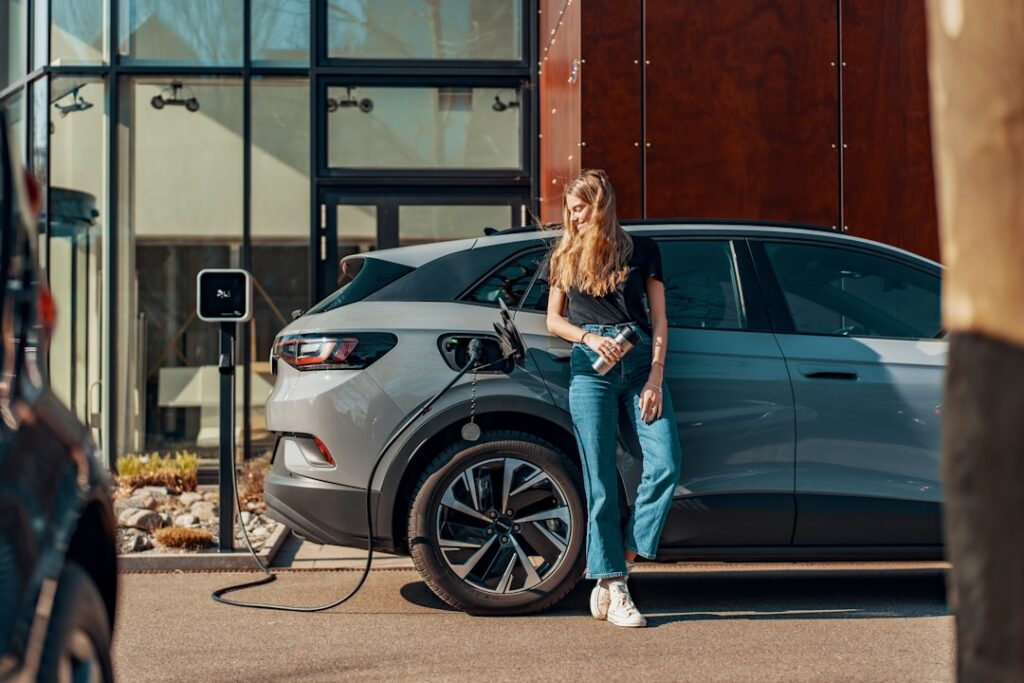
Electric vehicle charging infrastructure

The UK Network Has Changed Rapidly

Department for Transport statistics show that the public charging network has continued to expand strongly. As of 1 April 2026, the UK had 119,080 publicly available EV chargers, including 27,372 rated rapid or above. The statistical system itself also changed in 2026: government reporting now focuses on the number of vehicles that can charge at a site rather than relying only on the older measure of charging devices.

That distinction matters when comparing old and new headlines. A 2023 figure cannot simply be placed next to a 2026 figure without checking whether the same measurement is being used.

What Liverpool Drivers Actually Need

For motorists in Liverpool and the wider city region, charger count is only part of the picture. Location, charging speed, payment method, opening hours and whether a charger is operational all affect the usefulness of the network. Drivers without off-street parking are particularly dependent on public and on-street provision.

  • Check live availability: public databases and operator apps are more useful for a journey than an annual headline figure.
  • Know the charging speed: slower destination charging and rapid motorway-style charging serve different needs.
  • Plan longer trips: Liverpool may be the starting point, but the reliability of the wider regional and national network matters just as much.
  • Expect the data to move: chargers can be added, removed or temporarily unavailable, so local counts change over time.

A Network, Not a Single Number

The strongest measure of progress will be whether people can charge where they live, work and travel without disproportionate inconvenience. National charger totals are useful for tracking growth, but they should not be treated as proof that every neighbourhood has equally good access.

For Liverpool, the next phase of EV infrastructure is therefore about coverage, reliability and integration with the city’s wider transport system as much as raw numbers.


Sources

  • Department for Transport: Public EV charging infrastructure statistics, 1 April 2026
  • Department for Transport: EV charging infrastructure statistics collection
Renewable Energy in the Liverpool City Region
Cybersecurity for Liverpool Businesses: Risks to Watch in 2026
5G in Liverpool: Coverage, Uses and What It Actually Changes
Insight Partners Pursues Broad Artificial Intelligence Strategy Amid Industry Consolidation
Coworking in Liverpool: How to Choose the Right Workspace
Share This Article
Facebook Whatsapp Whatsapp LinkedIn Reddit Telegram Email Print

Editor's Pick

Liverpool Running Routes: Parks, Promenades and City Paths for Different Distances
Sport

Liverpool Running Routes: Parks, Promenades and City Paths for Different Distances

Liverpool running routes give you amazing parks, promenades, and city paths. Discover…

James 'Jim' Okafor
James 'Jim' Okafor
29/10/2026
Liverpool Independent Restaurants: How the City’s Food Scene Keeps Changing
Scene

Liverpool Independent Restaurants: How the City’s Food Scene Keeps Changing

Discover how Liverpool independent restaurants are shaping the city's food scene across…

Eleanor Vance
Eleanor Vance
29/10/2026
Baltic Triangle Liverpool: How the District Changed and What Defines It Today
City

Baltic Triangle Liverpool: How the District Changed and What Defines It Today

Discover the Liverpool Baltic Triangle guide exploring industrial shifts, creative clusters, local…

David Chen
David Chen
28/10/2026
Liverpool’s Carbon Footprint: What City Emissions Data Can — and Cannot — Tell Us
Tech

Liverpool’s Carbon Footprint: What City Emissions Data Can — and Cannot — Tell Us

Liverpool carbon footprint and city emissions data explained. Explore territorial metrics, consumption…

Thomas Reid
Thomas Reid
26/10/2026
Liverpool Maritime History: What to See Across the Waterfront Museums
City

Liverpool Maritime History: What to See Across the Waterfront Museums

Museum of Liverpool maritime history guide explores the waterfront museums, trade legacies,…

Thomas Reid
Thomas Reid
26/10/2026
Liverpool Bulletin
Quick Link
  • About Us
  • Contact Us
  • Cookie Policy
  • Editorial Standards
  • Privacy Policy
  • Submit a Press Release
  • Terms of Use
Top Categories
  • Home
  • Business
  • City
  • Scene
  • Spaces
  • Sport
  • Style
  • Tech

We are Liverpool’s modern voice—a digital publication dedicated to chronicling the pace, progress, and pulse of Merseyside.

© 2026 All Rights Reserved. | Liverpool Bulletin
Welcome Back!

Sign in to your account

Username or Email Address
Password

Lost your password?