
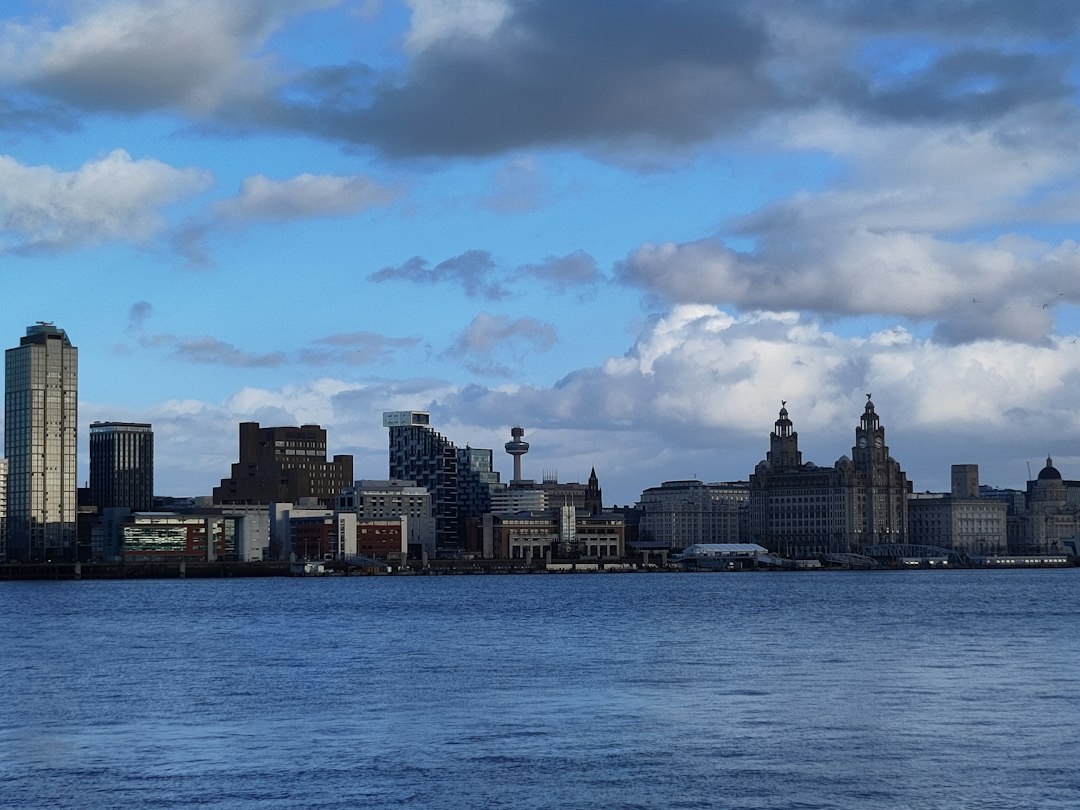

As a business mentor and strategic consultant examining urban evolution, I find few districts in the North of England as fascinating as this former industrial quarter. Once characterized by neglected warehouses, dock-adjacent timber yards, and heavy logistics, the area has undergone a profound structural metamorphosis over the past two decades. Today, it stands as a prominent hub for digital enterprises, independent hospitality venues, and modern residential developments. The Liverpool Bulletin team prepared this guide for you.
What is the Liverpool Baltic Triangle guide covering in terms of district evolution?
Liverpool Baltic Triangle guide principles require us to look past glossy marketing language and examine the actual mechanics of urban transformation. Long-term structural change in this zone was driven by grassroots creative pioneers who occupied derelict spaces when commercial rents collapsed. Municipal planning frameworks and local economic strategies subsequently recognized these clusters, shifting the district from a low-value industrial backwater into a high-demand mixed-use ecosystem. Understanding this trajectory means separating genuine workspace innovation from real estate branding designed to attract outside capital.
Analyzing Structural Shifts and Industrial Heritage
The physical fabric of the neighborhood, bounded by Parliament Street, Wapping, Park Lane, and Grafton Street, tells a clear story of industrial decline and adaptive reuse. Victorian warehouses that once stored goods moving through the docks sat vacant for decades before artists, musicians, and digital freelancers recognized their potential. This bottom-up occupation laid the foundation for what local economic frameworks would later codify as a creative cluster (Liverpool City Council, 2023). However, treating this shift solely as an organic cultural triumph overlooks the complex property dynamics and land ownership patterns that dictate who actually benefits from regeneration.
As a consultant advising local enterprises, I always look at the underlying data and spatial planning documents before drawing conclusions. Strategic policy papers from the Liverpool City Region highlight how manufacturing spaces gave way to service-sector incubators, digital agencies, and independent breweries (Liverpool City Region, 2024). This transition altered the economic output of the ward significantly, drawing comparisons to similar dockland transformations across Northern Europe. Yet, this economic pivot brought immediate friction between legacy industrial operations and incoming nightlife ventures.
To navigate these changing conditions effectively, business owners must evaluate real estate trends alongside municipal zoning rules. You can examine how broader commercial shifts impact retail areas by reviewing our analysis of Liverpool High Streets. Strategic foresight requires tracking how planning authorities balance residential expansion with commercial preservation.
- Identify legacy infrastructure before planning new commercial setups.
- Review local council spatial strategies to anticipate zoning shifts.
- Assess the balance between night-time economy revenue and daytime workspace needs.
- Monitor how residential approvals impact local parking and amenity access.
Managing Redevelopment Tensions and Urban Realities
Growth rarely happens without friction, and this district exhibits acute tensions around gentrification, rising overhead costs, and space allocation. Independent venues that originally defined the cultural appeal of the area now face steep rent reviews and pressures from high-density apartment blocks. According to findings from the Baltic Triangle Area CIC, maintaining affordable workspace for grassroots creatives remains a critical challenge amidst escalating land values (Baltic Triangle Area CIC, 2025). Without deliberate policy interventions, the very ecosystem that sparked the renewal risks being priced out of its own geography.
For investors and operators entering the market, a methodical approach to risk management is essential. You must weigh the commercial upside of a trendy address against structural overheads and community relations. You can also explore our insights on housing costs to understand how residential market pressures influence urban commercial districts across the wider conurbation.
- Audit your current property overheads against projected local rent increases.
- Engage with local business networks and community interest companies early.
- Comply strictly with Liverpool City Council licensing and environmental standards.
- Diversify revenue streams to withstand fluctuations in the hospitality and night-time sectors.
The transformation of this district is neither an unmitigated urban utopia nor a simple tale of displacement; it is a complex ongoing negotiation between heritage, capital, and community. By grounding your strategic decisions in verified planning data and realistic financial modeling, you can build a resilient enterprise in one of the city’s most dynamic zones. You can contact us for any questions.
References:
Baltic Triangle Area CIC. (2025). Annual District Review and Workspace Sustainability Report.
Liverpool City Council. (2023). Urban Regeneration and Spatial Planning Framework for South-Dock Industrial Zones.
Liverpool City Region. (2024). Economic Impact Assessment of Creative and Digital Clusters.