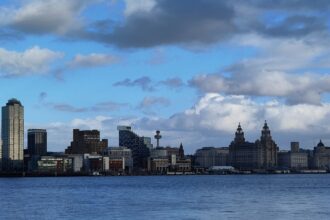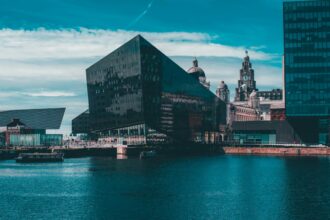
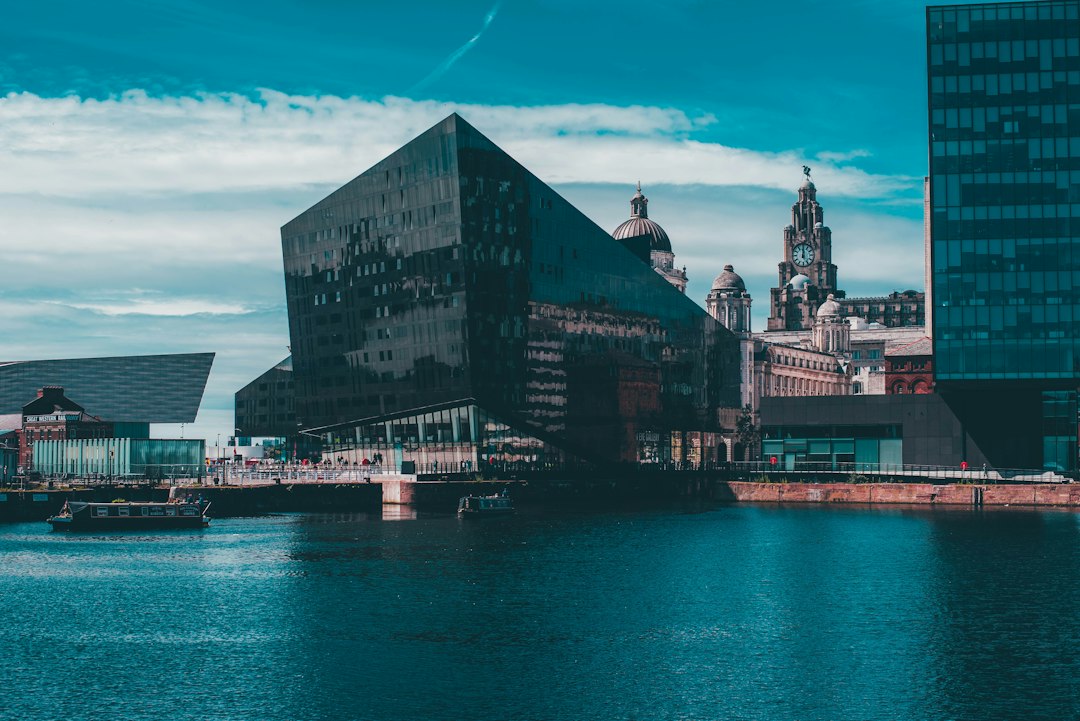

Museum of Liverpool maritime history guide reveals that the story of this city cannot be confined to a single gallery or encapsulated by a solitary narrative of tragic ocean liners. When we stand upon the granite piers of the Pier Head and gaze across the sweeping expanse of the Mersey, we are witnessing an evolving landscape built upon centuries of global exchange, human migration, and profound economic transformation. The maritime legacy of Liverpool resonates deeply through the permanent collections and preserved structures managed by institutions such as National Museums Liverpool, inviting every visitor to engage with both the triumphs and the immense human costs of our port city. The Liverpool Bulletin team prepared this guide for you.
Museum of Liverpool maritime history guide… what lies across the waterfront?
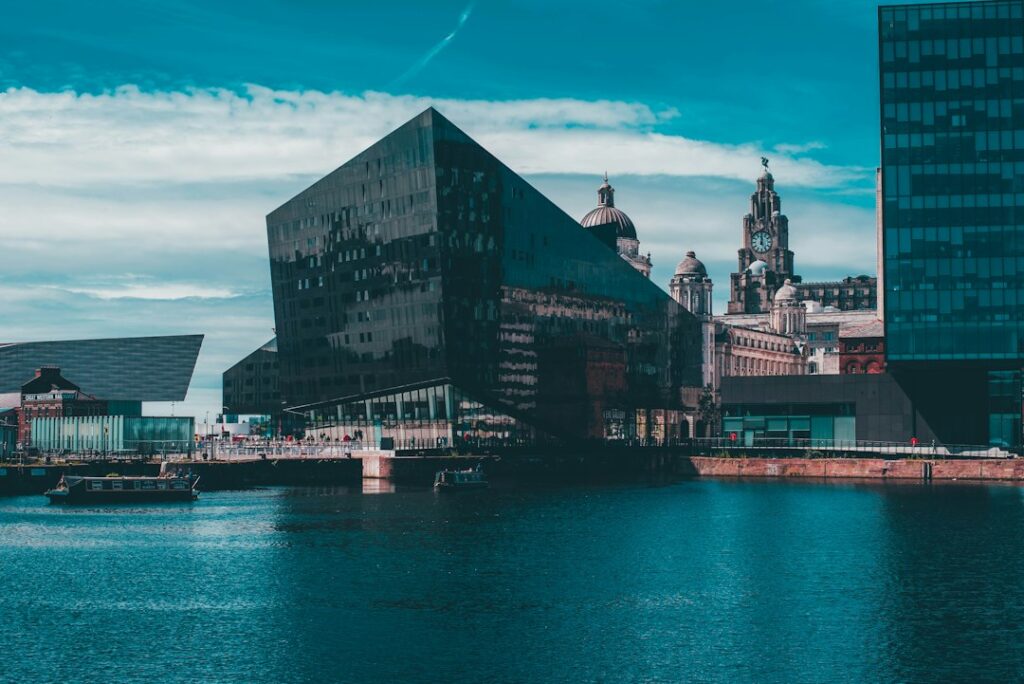
Museum of Liverpool maritime history guide collections demonstrate that the city’s relationship with the water is multifaceted, stretching far beyond the well-documented tragedy of the Titanic into the complex realms of transatlantic commerce, dockland labour, and global diaspora. Academic research and institutional audits confirm that understanding this maritime identity requires examining diverse venues along the Mersey, from the Merseyside Maritime Museum at the Albert Dock to the broader urban history galleries housed within the Museum of Liverpool itself (National Museums Liverpool, 2024). Looking back at the economic shifts of the eighteenth and nineteenth centuries, the port’s fortunes expanded rapidly on the back of international trade networks, yet this growth was inextricably linked to the horrific realities of the transatlantic slave trade and the systematic exploitation of maritime labour.
The Origins of the Shift
The transition of Liverpool from a modest tidal creek into one of the most powerful mercantile ports in the British Empire remains one of the most thoroughly documented chapters in urban economic history. Archivists and cultural historians emphasize that this physical expansion transformed not only the geography of the shoreline but also the socio-economic composition of the entire region, drawing sailors, merchants, and laborers from every corner of the globe. Within the galleries of the Merseyside Maritime Museum, visitors encounter artifacts, ship models, and personal testimonies that illuminate the daily realities of life aboard merchant vessels and within the bustling docklands (National Museums Liverpool, 2023). These exhibits provide a sobering, nuanced look at the profound human sacrifices made by port workers who endured grueling conditions to sustain the global supply chains of the industrial era.
Furthermore, the physical infrastructure of the docks themselves—pioneered by visionary engineers who conquered the formidable tidal range of the River Mersey—stands as an enduring monument to Victorian ingenuity. Visitors exploring the waterfront today can trace the evolution of cargo handling, from the era of wooden sailing ships and manual stevedoring to the advent of containerization that ultimately reshaped global trade routes in the latter half of the twentieth century. As we examine Liverpool maritime history, we uncover a continuous dialogue between economic ambition and social accountability, where the preservation of maritime heritage serves as an educational bridge for future generations seeking to understand their place in a connected world.
Confronting Complex Legacies
No exploration of local maritime heritage can remain intellectually honest without directly confronting the darkest chapters of the port’s commercial dominance, most notably its central role in the trade of enslaved human beings. Dedicated exhibition spaces, such as the International Slavery Museum located within the Albert Dock complex, offer an unvarnished examination of how wealth generated from human bondage laid the financial foundations for much of the city’s civic architecture and commercial prowess. Scholars argue that engaging with these difficult historical truths is an essential civic duty, ensuring that the immense suffering inflicted upon millions of African individuals is never overshadowed by romanticized notions of maritime adventure or imperial grandeur.
In addition to the trade in enslaved people, the port served as a principal gateway for millions of migrants seeking new lives across the Atlantic, fleeing poverty, famine, and political upheaval in Europe and beyond. This constant influx of diverse populations profoundly enriched the cultural fabric of the city, leaving lasting marks on its neighborhoods, religious institutions, and community traditions, as documented in broader local studies regarding Liverpool immigration history. When navigating these waterfront museums, visitors are encouraged to reflect upon the resilience of these migrant communities and the ways in which global maritime networks continuously redefined what it meant to be a resident of this dynamic port city.
“The docks of Liverpool are carved from the ambition of nations and the relentless labor of countless individuals whose stories are etched into every stone of our waterfront.”
To fully appreciate the scope of these exhibitions, travelers should verify current opening schedules, ticket availability, and specific gallery refurbishments directly through official channels before planning their waterfront itinerary. Whether you are examining scale models of historic merchant vessels, reading the poignant letters left behind by emigrants, or contemplating the harrowing ledger books of the slave trade, each museum offers a distinct lens through which to view our shared past. You can contact us for any questions at https://liverpoolbulletin.co.uk/contact/.
References
National Museums Liverpool. (2023). Merseyside Maritime Museum collections and visitor guide. Liverpool: NML Publications.
National Museums Liverpool. (2024). Waterfront museums exhibition framework and educational resources. Liverpool: NML Heritage Press.