
Liverpool’s maritime history is inseparable from the growth of its docks, the expansion of global trade, the movement of people and goods, and the city’s major role in the transatlantic slave trade.
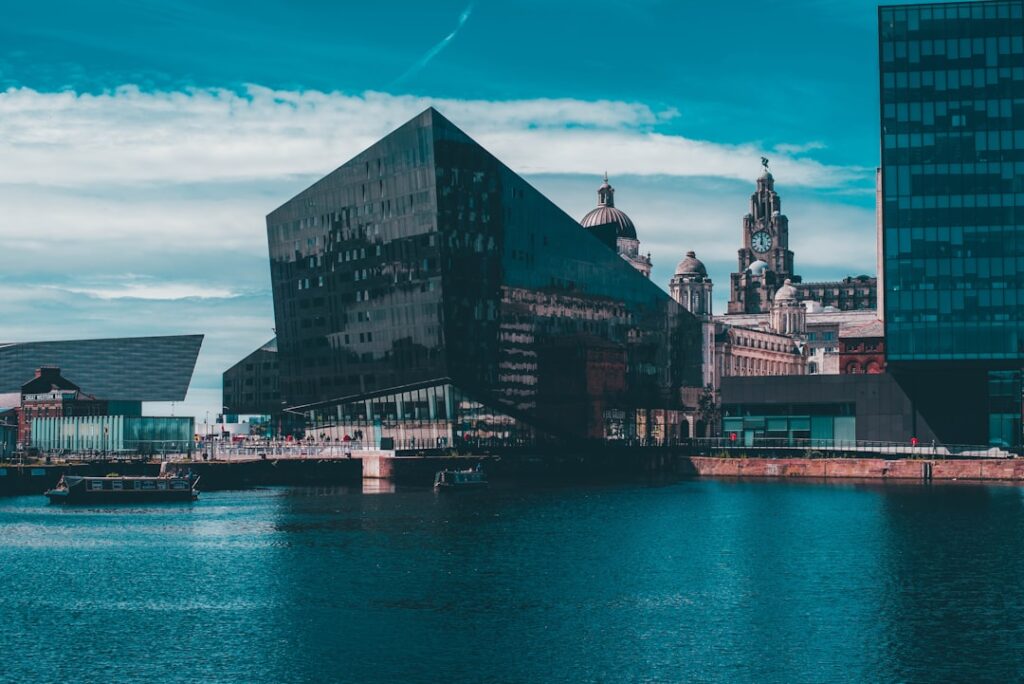
The Docks Changed Liverpool
Liverpool’s position on the Mersey helped it develop into one of Britain’s most important ports. Dock engineering, including the development of enclosed wet docks, made it possible to handle growing volumes of shipping and connect the port with industrial regions across northern England.
As trade expanded, so did the city. Warehouses, commercial institutions, transport links and civic buildings reflected the wealth generated through maritime commerce. But that prosperity cannot be separated from the systems of exploitation that underpinned parts of Liverpool’s rise.
Liverpool and the Transatlantic Slave Trade
National Museums Liverpool describes Liverpool as a major slaving port whose ships and merchants dominated the transatlantic slave trade in the second half of the eighteenth century. The trade generated substantial civic and private wealth and helped lay foundations for the port’s later growth.
That history involved the forced transportation and enslavement of African people on a vast scale. It should not be treated as a footnote to a story of commercial success. Liverpool’s maritime heritage is therefore both a history of technological and economic expansion and a history that demands direct engagement with slavery, colonialism and their long-term consequences.
Industrialisation, Migration and Port Labour
During the nineteenth century, Liverpool’s docks became deeply connected to industrial supply chains, including cotton imports and manufactured exports. Steamships and railways accelerated the movement of goods, while the port also became a major point of arrival and departure for migrants.
The city’s maritime economy depended not only on merchants and shipowners but on dock workers, sailors, warehouse staff and many other forms of labour. Their working lives, communities and periods of insecurity are essential to understanding how the port functioned in practice.
A Maritime Legacy Still Visible Today
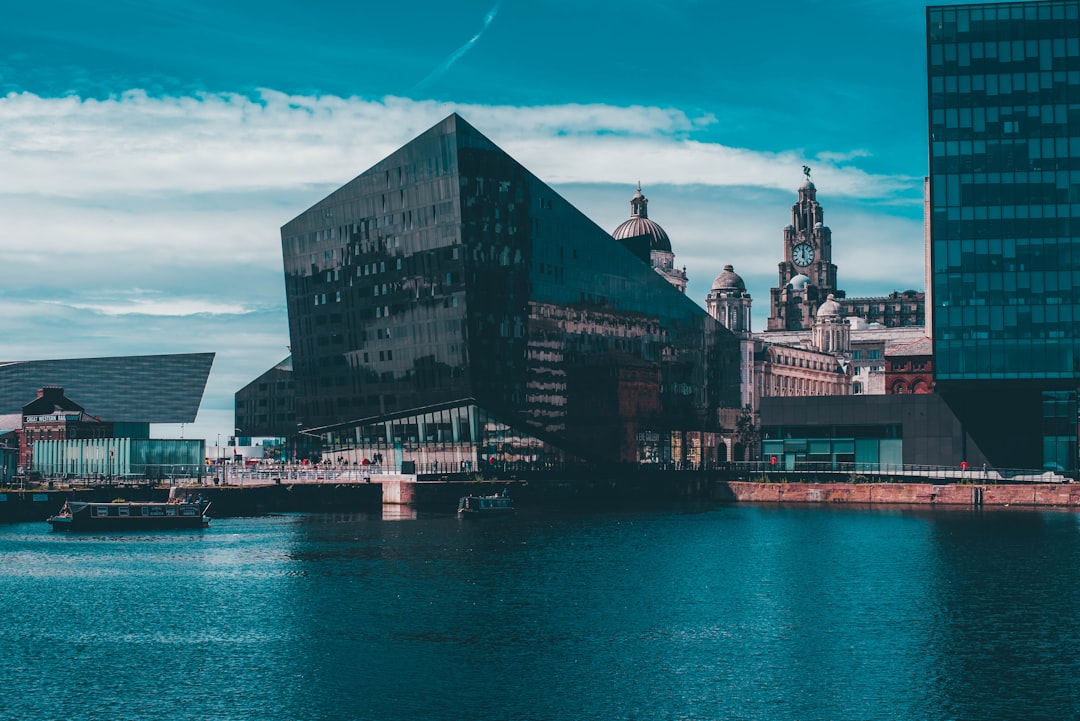
Liverpool’s waterfront remains one of the clearest places to see how maritime trade shaped the city. Museums, dock infrastructure and surviving buildings offer evidence of commercial ambition, migration, labour and exploitation across several centuries.
The original version of this article used a broad claim that Liverpool handled more than 40% of Europe’s transatlantic slave trade and framed the port as having “built an empire.” The revised version avoids an unsupported single-number summary and instead follows the more careful historical framing used by National Museums Liverpool.
National Museums Liverpool: Transatlantic slavery collection.