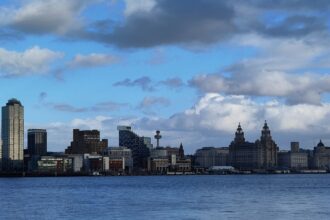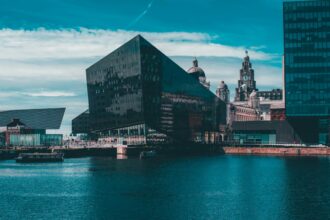

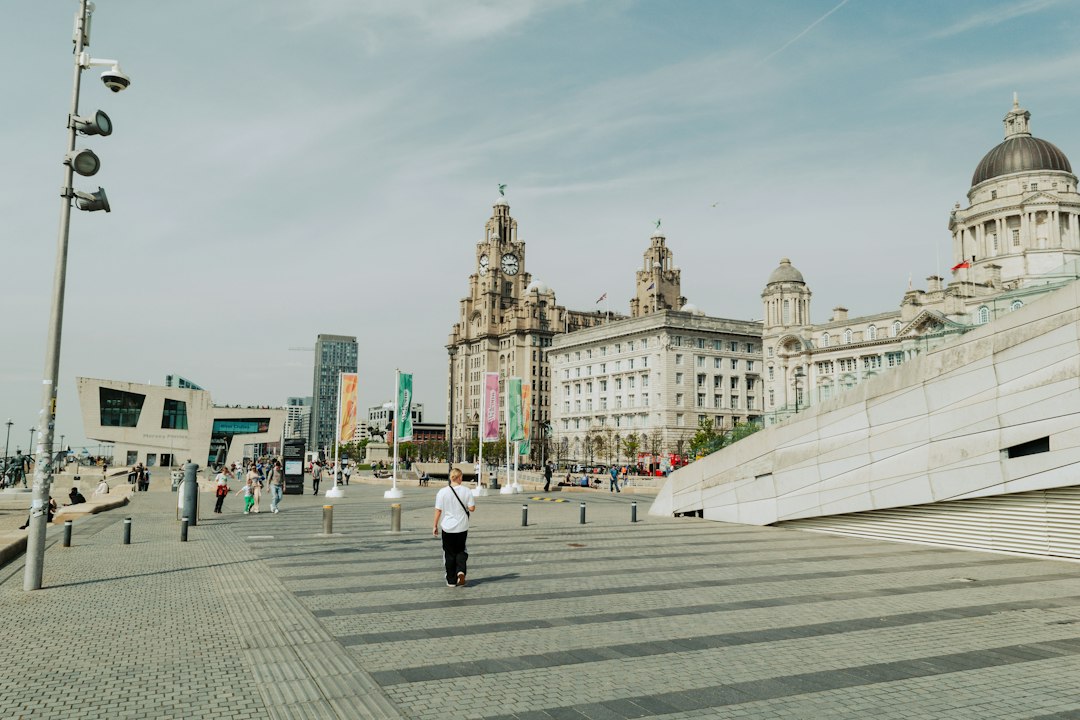

sustainable travel from Liverpool opens up a world of thoughtful exploration right from our iconic waterfront, inviting us to look closely at how we move across the landscape. Whether you are planning a weekend escape or a longer cross-country journey, understanding your transport choices allows you to balance convenience with environmental awareness. Furthermore, stepping away from the car key and onto a train platform or ferry deck changes the very texture of your trip, turning transit time into a seamless part of the adventure. It is about appreciating the journey as much as the destination, keeping our local footprints light while enjoying the broader region. The Liverpool Bulletin team prepared this guide for you.
Sustainable Travel From Liverpool… What Are Your Best Transport Options?
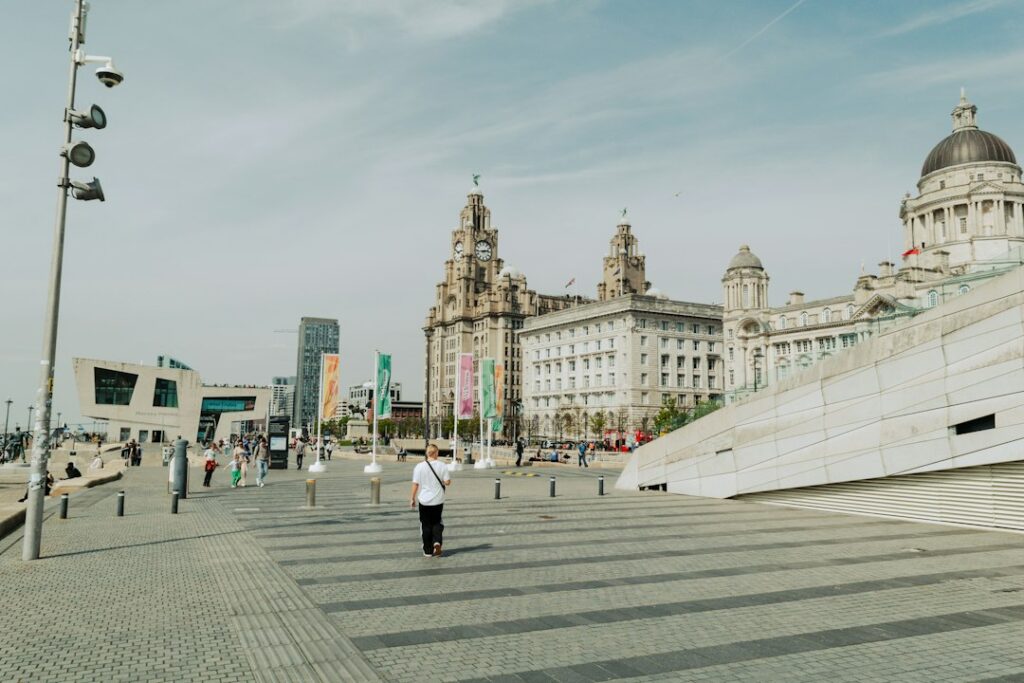
sustainable travel from Liverpool begins at major local transit hubs like Lime Street Station and the Pier Head, where numerous regional and national routes converge. When evaluating how to get from A to B, travellers must weigh up rail, coach, ferry, and driving options based on current operator timetables and route availability. However, claiming that any single mode is universally the greenest requires careful context, as occupancy rates, fuel types, and journey lengths all influence total operational emissions (Department for Transport, 2023). Therefore, a practical approach involves looking at specific itinerary details rather than relying on generalized assumptions about transport greenness.
Setting off from Merseyside offers a wonderful opportunity to embrace slower, more reflective transit styles that connect you directly with the changing British scenery. When preparing your wardrobe for these trips, you might find inspiration in putting together a capsule wardrobe to keep your luggage light and manageable across multiple transport connections. Travelling light not only makes boarding trains and coaches easier, but it also marginally reduces the energy required to haul your belongings across miles of rail and road. Ultimately, thoughtful preparation transforms a standard commute or holiday departure into an organized, stress-free experience.
The rail network remains a cornerstone for regional mobility, offering frequent connections to major cities like Manchester, London, and Edinburgh without the stress of motorway congestion. National Rail data highlights that train travel frequently outperforms private car journeys in terms of carbon efficiency per passenger kilometre, provided trains run with healthy passenger loads (National Rail, 2023). However, infrastructure updates, engineering works, and varying operator schedules mean that checking live departure boards before you leave is essential for a smooth transit. Beyond the tracks, coach operators provide an extensive, budget-friendly alternative that serves destinations less accessible by direct train lines.
Navigating Maritime Crossings and Regional Connections
For those looking to venture across the Irish Sea, maritime routes from the local area provide an alternative to short-haul flights. Ferries allow passengers to bring bicycles or travel on foot, opening up scenic cycling and walking tours upon arrival in Ireland or the Isle of Man. When discussing carbon outputs for sea travel, it is vital to distinguish between direct operational emissions—such as marine fuel consumption—and the wider lifecycle impacts of shipbuilding and port infrastructure (Department for Transport, 2023). Each vessel operates with different engine efficiencies, meaning that passenger capacity and cargo sharing play massive roles in determining the overall environmental cost per traveller.
Integrating local public transport into your departure plan is another vital step in keeping your entire journey low-carbon from the moment you lock your front door. Merseyrail networks and local bus services make reaching regional transport hubs straightforward without ever needing to rely on a personal automobile. When you arrive back home after a refreshing getaway, you might even channel your renewed energy into updating your living space, perhaps drawing inspiration from urban design ideas to create a calmer daily routine. Every small adjustment we make, from our choice of holiday transit to how we arrange our immediate surroundings, contributes to a more mindful lifestyle.
“Choosing how we move across the country is ultimately about respecting the landscapes we pass through and the communities we visit along the way.” – Local Transit Advisor
Embracing Mindful Itineraries
Planning a lower-carbon trip requires a shift in mindset, moving away from rigid, hyper-fast itineraries towards a more flexible appreciation of travel time. When you read up on current operator guidelines, you ensure your travel plans align with real-world schedules rather than outdated assumptions. Furthermore, supporting local operators and choosing destinations accessible by public transport helps bolster regional economies that rely on sustainable tourism initiatives. Whether you are exploring nearby countryside trails or heading across the water, every considered choice helps shape a cleaner, more resilient future for travel.
As you curate your next adventure starting from our vibrant city, remember that comfort and environmental consciousness can easily go hand in hand. You might even find that taking the train or ferry gives you precious hours to read, sketch, or simply watch the stunning British coastline roll by outside your window. When you return to the city, you can apply these same principles of practicality and care to your everyday urban routines. You can contact us for any questions.
Get in touch with our team
References
- Department for Transport. (2023). Greenhouse gas emissions by transport mode and operational context guidelines. UK Government Publications.
- National Rail. (2023). Passenger capacity, carbon efficiency, and rail network performance annual report. Rail Delivery Group.