
Liverpool African diaspora history and culture represents a deeply layered, centuries-old narrative that cannot be neatly encapsulated by a single district or a monolithic identity. When examining the urban fabric of Merseyside, scholars and community historians must trace pathways far beyond mid-century settlement patterns, looking closely at how global maritime networks transformed local demographics over generations. Understanding this rich tapestry requires patience, analytical rigor, and an unwavering commitment to separating foundational trauma from the vibrant, multifaceted contemporary reality of Black and African communities in the city. The Liverpool Bulletin team prepared this guide for you.
Liverpool African diaspora history and culture in the context of urban development?
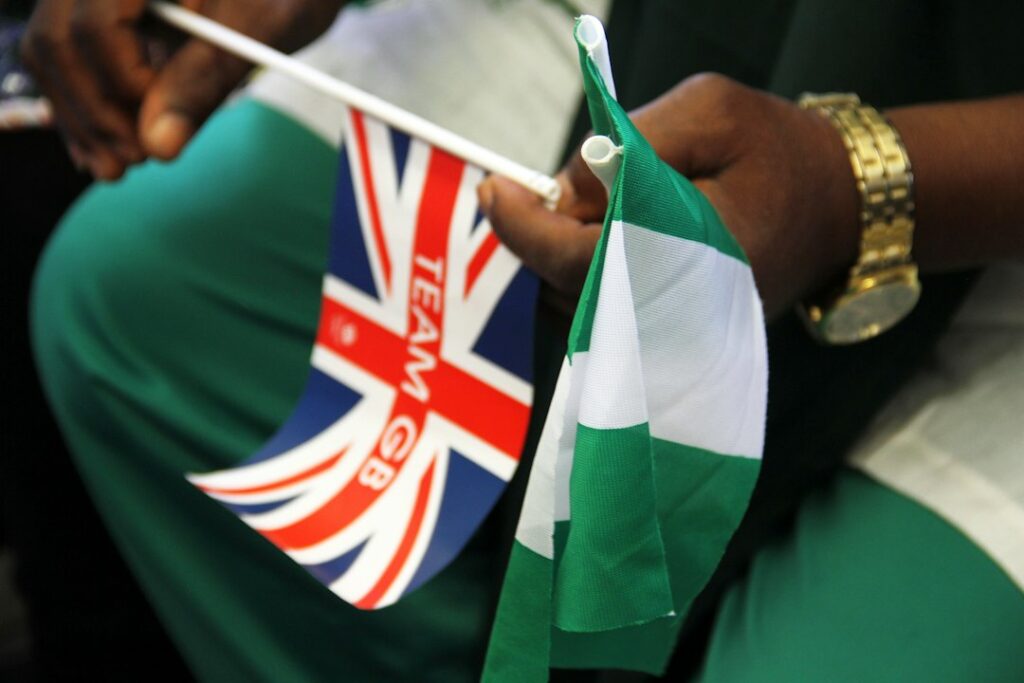
Liverpool African diaspora history and culture is rooted in a complex framework of maritime commerce, voluntary migration, systemic barriers, and enduring institutional resilience. As documented by archival holdings at the Liverpool Record Office, Black individuals and families have lived, worked, and established roots in this port city for hundreds of years. Rather than treating this presence as a brief footnote to municipal growth, contemporary historical analysis views these communities as central architects of Liverpool’s social, economic, and cultural identity (National Museums Liverpool, 2021). Recognizing this ongoing legacy demands an honest reckoning with historical trade routes alongside a celebration of independent community institutions, arts initiatives, and generational civic leadership.
The Foundations of the Shift
Looking back at the structural realities of the eighteenth and nineteenth centuries, the city’s rise as a global mercantile powerhouse was inextricably tied to the transatlantic slave trade. Archival records housed by National Museums Liverpool reveal that while early Black populations in the city frequently included seamen, freed individuals, and domestic servants, their lives were heavily constrained by institutional racism and exploitative labor markets. Historical overviews compiled by Historic England emphasize that these early residents forged survival strategies by creating informal mutual aid networks within the bustling dockside parishes. This foundational era established an enduring physical and psychological connection between West African coastal economies, Caribbean territories, and the Merseyside waterfront.
As maritime technology evolved and steam power replaced sail, the demographic makeup of port workers shifted accordingly, drawing in sailors from various parts of the African continent and the diaspora. The University of Liverpool notes that these maritime communities were remarkably diverse, comprising individuals from Sierra Leone, Ghana, Nigeria, and Somalia, as well as Afro-Caribbean seafarers who chose to make Merseyside their permanent home. Such diversity thoroughly complicates the outdated notion of a single, homogenous Black community living entirely in isolation. Instead, historical documentation points toward multiple overlapping networks shaped by distinct languages, religious practices, and socio-political backgrounds.
Navigating Continuity and Change
Looking toward the mid-twentieth century and beyond, the structural pressures faced by African and Black diaspora communities in Liverpool led to the creation of robust formal institutions and advocacy groups. Researchers examining twentieth-century urban policy highlight how systemic discrimination in housing and employment galvanized local activists to demand political representation and culturally specific social services (Historic England, 2018). These efforts laid the groundwork for grassroots organizations that continue to champion educational equity, mental health resources, and youth engagement across the metropolitan area today.
In analyzing contemporary cultural life, it is vital to avoid exoticising frameworks that reduce rich artistic expressions to mere novelties or tokenistic additions to the city’s official heritage. Modern creative output—spanning literature, visual arts, music, and performance—draws strength from both local Merseyside heritage and transnational diasporic connections. Institutions working in partnership with the University of Liverpool consistently document how contemporary artists challenge historical omissions by curating exhibitions that honor ancestral memory while asserting modern British-African identities (University of Liverpool, 2023). Through rigorous documentation and community-led archiving, the full scope of this historical continuity remains visible for future generations.
- Archival preservation through National Museums Liverpool collections
- Academic partnerships examining maritime labor with the University of Liverpool
- Neighborhood oral history projects managed via the Liverpool Record Office
- Built environment assessments conducted by Historic England
Unraveling the deep historical connections that define our port city requires continuous dialogue, careful archival research, and a profound respect for the multifaceted experiences of local residents. By honoring both the profound historical trials and the vibrant cultural triumphs of these communities, we gain a truer, more comprehensive understanding of Merseyside’s past and its future trajectory. You can contact us for any questions at https://liverpoolbulletin.co.uk/.
References:
Historic England. (2018) Heritage, Identity and Community in Northern Port Cities. London: Historic England Publishing.
National Museums Liverpool. (2021) Transatlantic Slavery and Legacy Galleries: Research Framework. Liverpool: NML Publications.
University of Liverpool. (2023) Diasporic Communities and Urban Archives on Merseyside. Liverpool: University Press.
Liverpool Record Office. (2020) Port Workers, Parish Registers and Settlement Patterns 1750–1950. Liverpool City Council.