
organic food in Liverpool remains a subject of considerable interest for shoppers navigating local markets, independent grocers, and major supermarkets alike. Walking through the vibrant streets of our city, residents often weigh the visual appeal of farm-fresh goods against the reality of weekly grocery budgets. Understanding how these items are regulated, priced, and sourced helps clear away the marketing noise so you can make informed choices. The Liverpool Bulletin team prepared this guide for you.
organic food in Liverpool… what does the label actually signify?
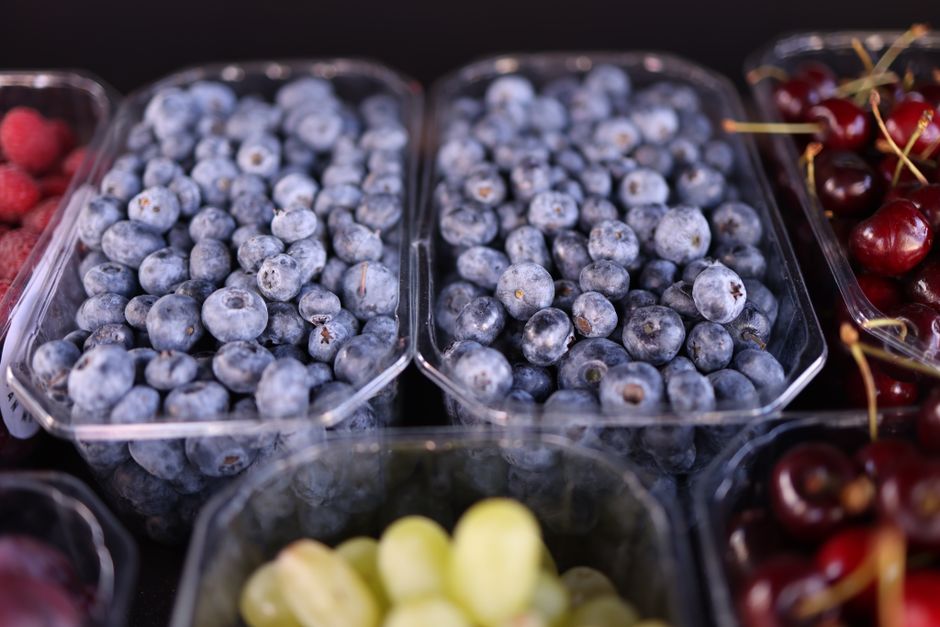
organic food in Liverpool is governed by strict regulatory frameworks that define how agricultural products are grown, processed, and imported. Under current UK rules overseen by DEFRA, items bearing official certification must meet rigorous standards regarding animal welfare, environmental management, and the restriction of artificial fertilizers or synthetic pesticides (DEFRA, 2023). However, it is essential to distinguish between regulatory compliance and direct health outcomes, as official standards primarily focus on production methods rather than proving that these goods are categorically safer, more nutritious, or superior to conventionally farmed alternatives.
Furthermore, navigating the aisles of local food shops can sometimes feel overwhelming when various logos and terminology catch your eye. Certification bodies, such as the Soil Association, audit farms and processing plants annually to ensure strict adherence to these principles (Soil Association, 2022). Yet, scientific reviews emphasize that while pesticide-residue findings are generally lower in certified goods, evidence regarding substantial antioxidant differences or demonstrated long-term health outcomes remains nuanced and debated within the scientific community (Smith et al., 2021). Consequently, buying these items is often driven by personal values concerning biodiversity and farming ethics rather than guaranteed physiological advantages.
The Regulatory Framework and Certification Standards
Understanding the legal definition of these products prevents consumer confusion in a marketplace crowded with terms like ‘natural,’ ‘eco-friendly,’ and ‘sustainable.’ Legally, a product cannot be marketed as organic unless it complies with specific government guidelines enforced by approved control bodies. These rules dictate everything from the rotation of crops to the prevention of cross-contamination during processing and storage. When you spot the official UK organic emblem on a label, you are looking at verified proof that independent inspectors have checked the supply chain from field to shelf.
However, these rigorous administrative procedures add operational costs for farmers and distributors, which frequently trickle down to the final retail price. Independent studies and high-quality evidence reviews suggest that higher price tags reflect the labor-intensive nature of smaller-scale yields, specialized feed requirements, and meticulous auditing processes rather than intrinsic nutritional superiority. Therefore, when local shoppers browse neighborhood markets, they are paying for a specific agricultural method and environmental philosophy rather than a clinically proven health elixir.
Finding Certified Produce Across the City
For residents eager to incorporate these items into their daily routines, our city offers a diverse array of shopping environments. From dedicated independent health food stores in Lark Lane to well-stocked organic sections in larger supermarkets, availability has grown steadily over recent years. Much like exploring independent cafés across the boroughs, sourcing these groceries often means supporting merchants who prioritize transparency and local supply chains. Yet, it remains wise to read labels carefully and compare unit pricing to ensure your choices align with both your personal ethics and your household budget.
Ultimately, deciding what to put in your shopping basket is a deeply personal balancing act between cost, convenience, and individual priorities. Whether you choose to buy certified goods exclusively or reserve them for specific items like fresh produce and dairy, approaching your weekly shop with a clear understanding of the labels is empowering. We appreciate you taking the time to explore these nuances with us.
You can contact us for any questions. Get in touch
References:
- Department for Environment, Food & Rural Affairs (DEFRA). 2023. UK organic production and labelling legislation guidelines.
- Soil Association. 2022. Standards for organic food, farming and processing.
- Smith, J. et al. 2021. Nutritional and compositional differences in organic versus conventional crop production: A comprehensive evidence review.