
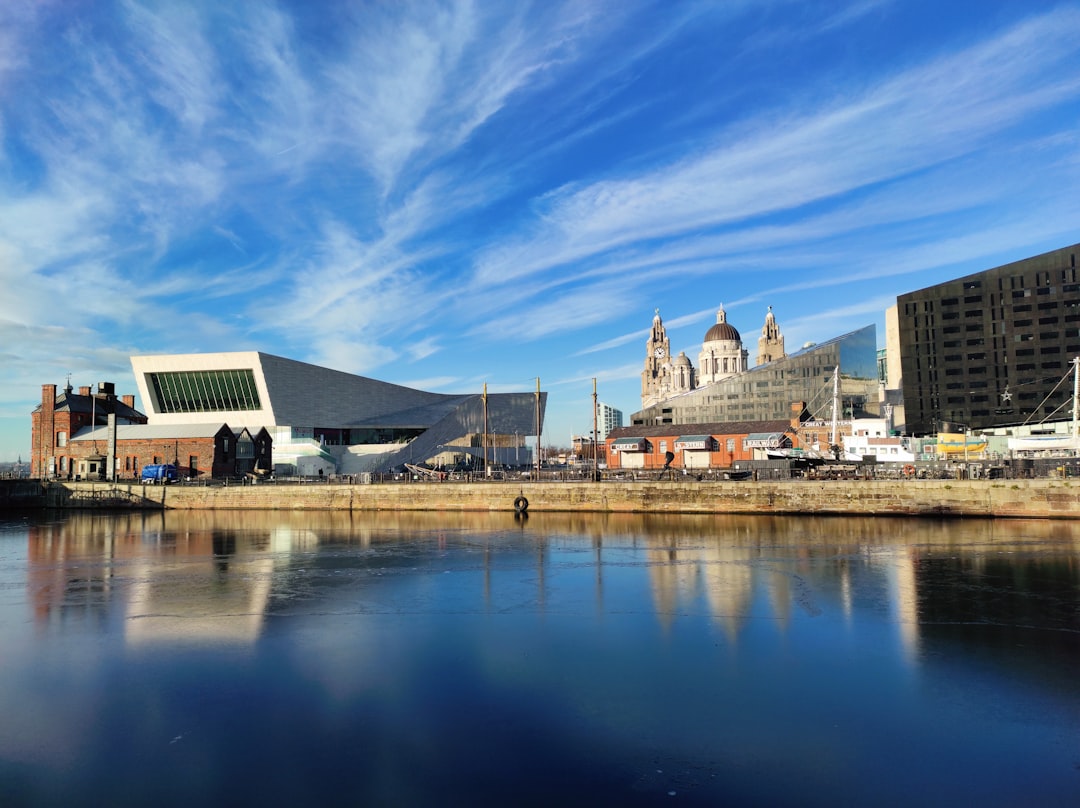

Liverpool’s northern waterfront is changing through a long-term regeneration programme that combines new homes, workplaces, public space, retail and leisure with the existing dock landscape. The most useful way to understand that change is through the Liverpool Waters masterplan rather than broad claims about a finished ‘renaissance’.
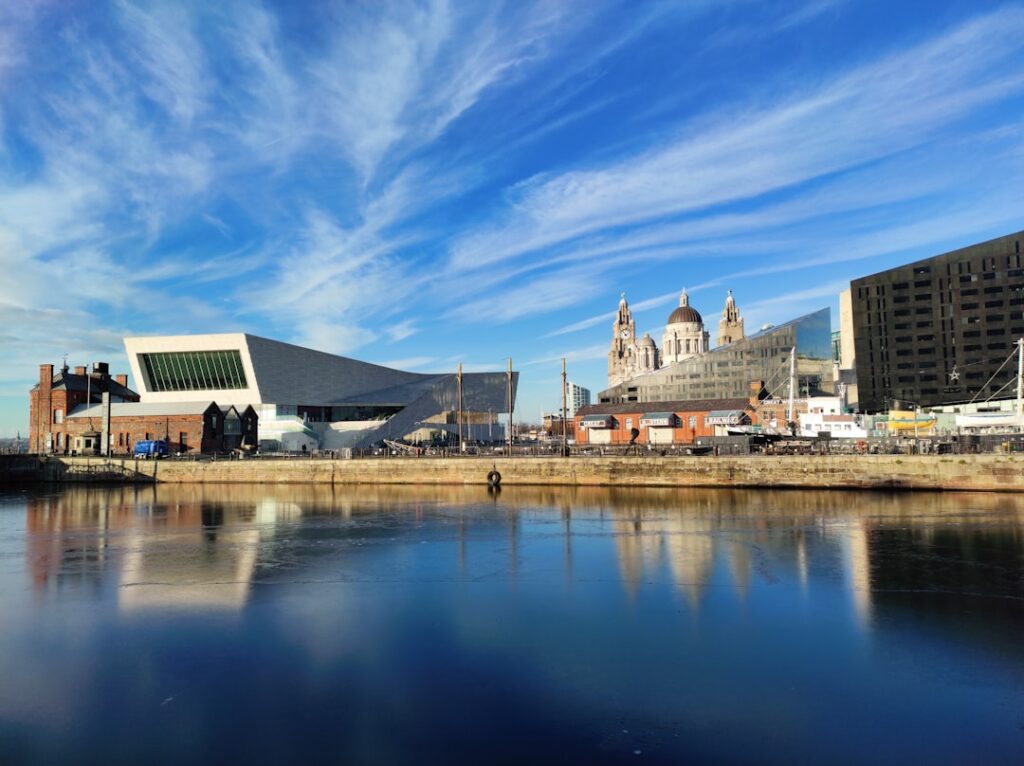
A £5bn Long-Term Regeneration Scheme
Liverpool Waters is a £5 billion regeneration project with outline planning permission for a large mix of residential, commercial, hotel, retail and leisure uses. Development is being phased across different parts of the waterfront rather than delivered as one single construction project.
Current proposals for Central Docks include up to 2,350 homes, hotel space, commercial floorspace, retail and food-and-drink uses, alongside public space and community facilities. Other parts of Liverpool Waters already contain offices, homes, hotels and leisure uses.
What Has Already Changed?
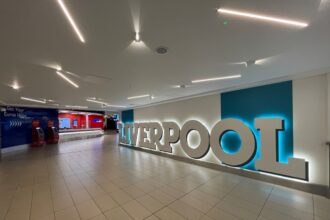
Princes Dock has developed into a mixed-use area with offices, residential buildings, hotels and leisure activity. Liverpool Waters says around 2,000 people currently work within the wider development area, although that figure should not be confused with a forecast for future employment across the entire masterplan.
The previous version of this article used an unverified £500 million private-investment figure, a 15,000-job forecast and an invented quotation from a supposed local urbanist. Those elements have been removed.
Regeneration Comes With Trade-Offs
Large waterfront schemes are judged on more than the number of towers built. Public access, heritage, affordable housing, transport, climate resilience and the quality of streets and public spaces all affect whether regeneration works for the wider city.
That makes Liverpool Waters an ongoing urban-development story rather than a completed transformation. The next stages will depend on which plots move forward, how infrastructure is delivered and how successfully new development connects with neighbouring communities and the existing city centre.