
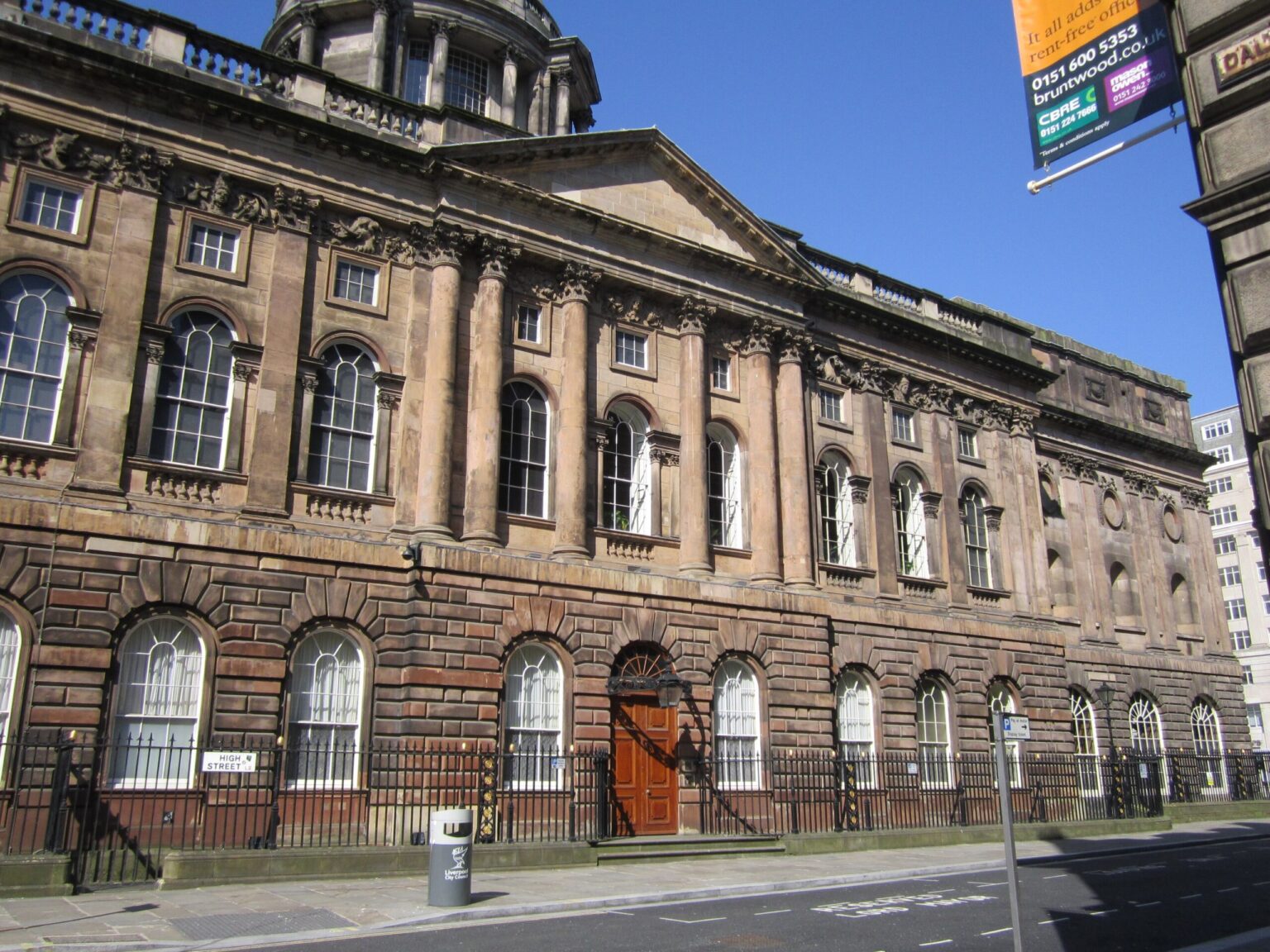

Liverpool’s high streets are shaped not only by which businesses occupy them, but by how shopfronts, signs, shutters and entrances relate to the buildings around them. Liverpool City Council maintains specific planning guidance for shopfronts, alongside the adopted Local Plan and other supplementary planning documents.
What the Guidance Is For
Shopfront guidance is intended to help planning decisions where commercial premises are altered, especially in historic streets and conservation areas. It is not a guarantee that retail investment will surge, nor is it a citywide order forcing every business to adopt one visual style.
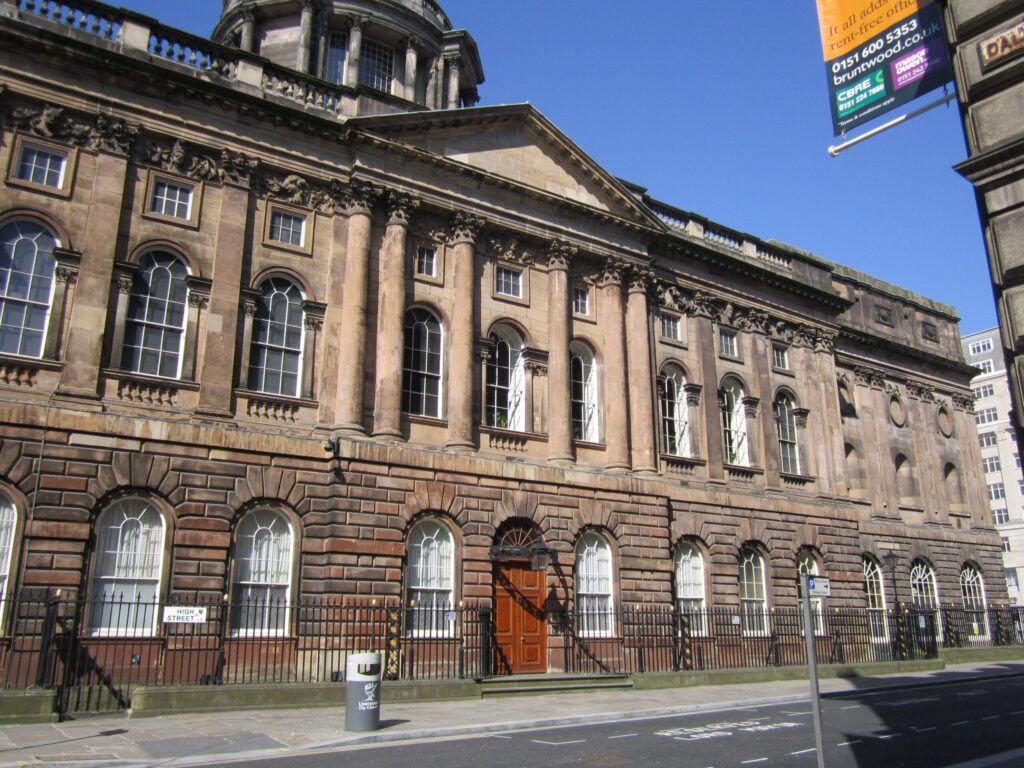
Good shopfront design usually means respecting the proportions and character of the host building, keeping signs and lighting proportionate, maintaining accessible entrances and avoiding alterations that unnecessarily erase historic features.
High Streets Are More Than Appearance
Design can contribute to a more coherent street, but the health of a high street also depends on vacancy levels, rents, footfall, transport, neighbourhood population, business costs and the mix of uses. A new fascia or restored window cannot solve those economic issues on its own.
- Heritage: alterations should respond to the building and street rather than cover them.
- Accessibility: entrances and circulation need to work for a wide range of users.
- Security: shutters and other measures should balance protection with the appearance of the street.
- Signage: scale, illumination and placement can materially affect the character of a frontage.
The previous version of this article described the guidance as a dramatic new policy that would force a retail transformation and even included an invented local-business quote. Those claims have been removed. The more useful story is how planning guidance contributes one part of the longer-term management of Liverpool’s commercial streets.
Source
Liverpool City Council: Local Plan supplementary documents and guidance.