

Liverpool independent restaurants form the beating heart of our culinary landscape, telling a story of continuous reinvention and local passion across every corner of the city. Walk down Bold Street, venture into the creative spaces of the Baltic Triangle, or explore the leafy avenues of Lark Lane, and you will encounter an evolving network of family-run kitchens, casual neighbourhood spots, and ambitious chef-led spaces. Unlike rigid corporate dining chains, these independent establishments adapt fluidly to changing tastes while honoring the rich multicultural heritage of Merseyside. Furthermore, the modern dining scene thrives precisely because it refuses to stand still, blending comforting bistro traditions with cutting-edge culinary techniques. The Liverpool Bulletin team prepared this guide for you.
Liverpool independent restaurants… in a changing local landscape?
Liverpool independent restaurants represent a dynamic shift away from homogenised high-street chains toward hyper-local, personality-driven dining experiences. Across the city centre and its surrounding residential districts, these venues survive and flourish by offering something genuinely authentic to both lifelong residents and curious visitors. Ultimately, understanding this movement requires looking beyond simple menus to examine how neighbourhoods, casual formats, and communal eating spaces interact within our urban geography (Liverpool BID Company, 2024).
The Heart of the City Centre and Ropewalks
The urban core of Liverpool presents a fast-paced environment where independent eateries must balance high footfall with a distinct personal touch. In areas like Ropewalks and the commercial district, restaurateurs utilize compact spaces to deliver high-impact dining that caters to professionals, theatre-goers, and weekend explorers alike. However, operating in the centre demands resilience against fluctuating rental costs and shifting consumer trends. This environment often encourages culinary experimentation, resulting in dynamic concepts that range from intimate tapas bars to modern plant-forward bistros. Much like the Liverpool nightlife guide 2026 highlights, the city centre thrives on a delicate balance between historic charm and modern nocturnal energy. Chefs in this zone frequently change their menus to reflect seasonal availability, ensuring that a quick bite before an evening out remains an exciting prospect rather than a routine meal. Furthermore, the proximity of these central venues to cultural landmarks creates a natural synergy between arts, entertainment, and gastronomy.
Stepping away from the immediate bustle of the commercial hub reveals a different side of the city’s culinary identity. Neighbourhood spots in districts such as Smithdown Road, Lark Lane, and Waterloo offer a slower, more community-focused approach to eating out. These locations act as anchor points for local residents, functioning as informal community living rooms where regulars are greeted by name. Unlike their city-centre counterparts, neighbourhood kitchens often rely on a loyal, year-round clientele rather than tourist surges, fostering deep bonds between the cooks and the community. This intimate dynamic allows for personalized hospitality that larger operations simply cannot replicate.
Neighbourhood Dining and Modern Food Halls
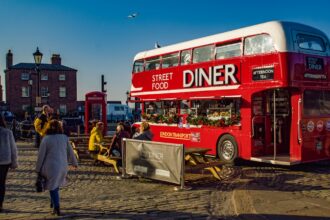
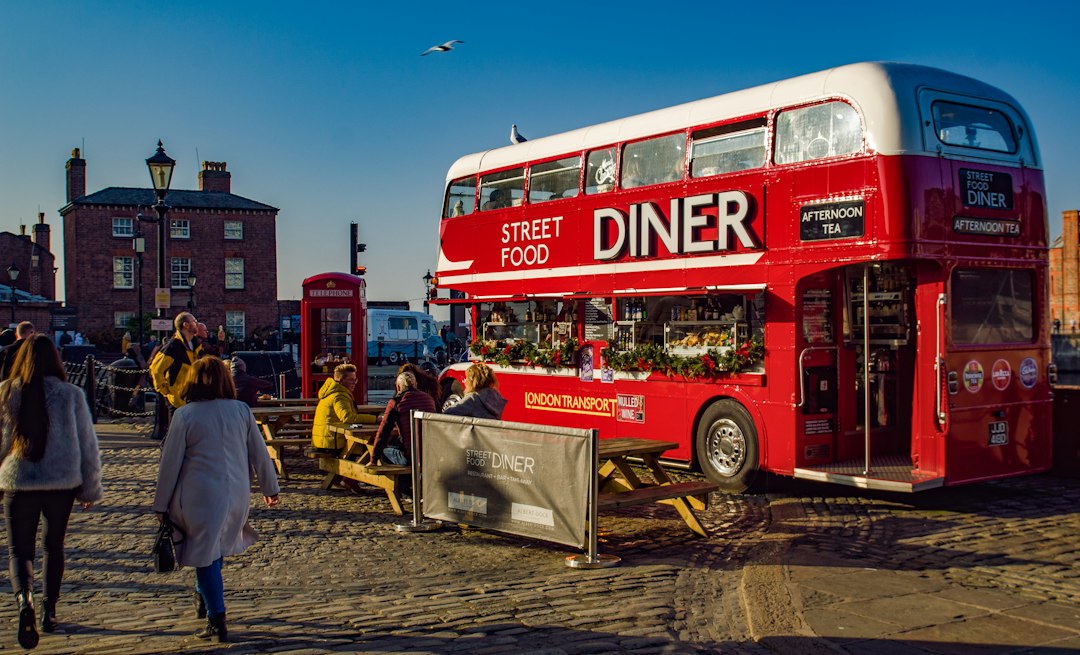
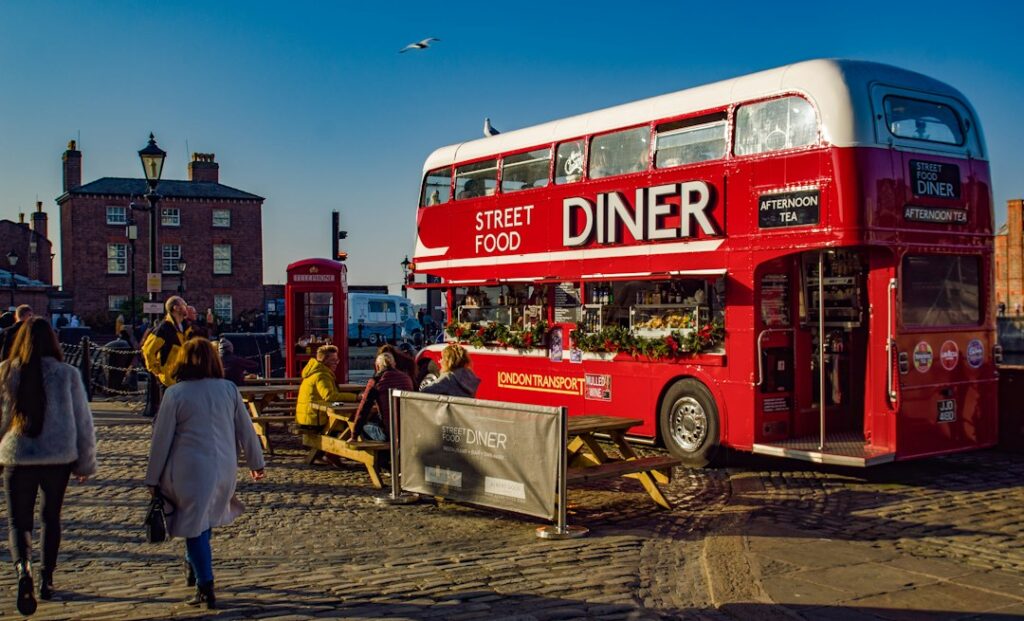
Moving beyond the central grid reveals how suburban high streets and residential pockets have transformed into culinary destinations in their own right. Neighbourhood dining spaces often champion a relaxed, unpretentious atmosphere where families, remote workers, and evening diners share long wooden tables. In parallel, the rise of multi-vendor food halls across districts like the Baltic Triangle has redefined how groups experience communal eating. These expansive, industrial-style spaces bring together diverse independent street-food traders under one roof, allowing diners to sample everything from authentic bao buns to wood-fired Neapolitan pizza without leaving their seats. Such formats encourage social interaction and flexibility, making them exceptionally popular for weekend gatherings. Just as Liverpool independent music venues provide a platform for grassroots artists, these food halls and neighbourhood spots offer vital incubation space for emerging culinary talent (City Hospitality Network, 2023). Diners can witness firsthand the dedication required to run a small-scale kitchen, bridging the gap between producer and plate in a transparent, engaging manner.
“True hospitality is found not in grand corporate dining rooms, but in the quiet dedication of neighbourhood cooks who feed their own community every single day.”
Navigating this diverse food ecosystem requires an appreciation for the independent spirit that underpins every successful venue in our region. Whether you choose a candlelit corner in a Georgian Quarter basement or a bustling communal table in an old brick warehouse, the underlying ethos remains rooted in craftsmanship and local pride. Ultimately, the ongoing evolution of our food scene depends on continued local support for these independent risk-takers who continuously shape our urban identity. You can contact us for any questions.
Contact Us
References:
- Liverpool BID Company, 2024. Urban Commerce and Independent Retail Report.
- City Hospitality Network, 2023. Evolution of Communal Dining Spaces in Northern England.