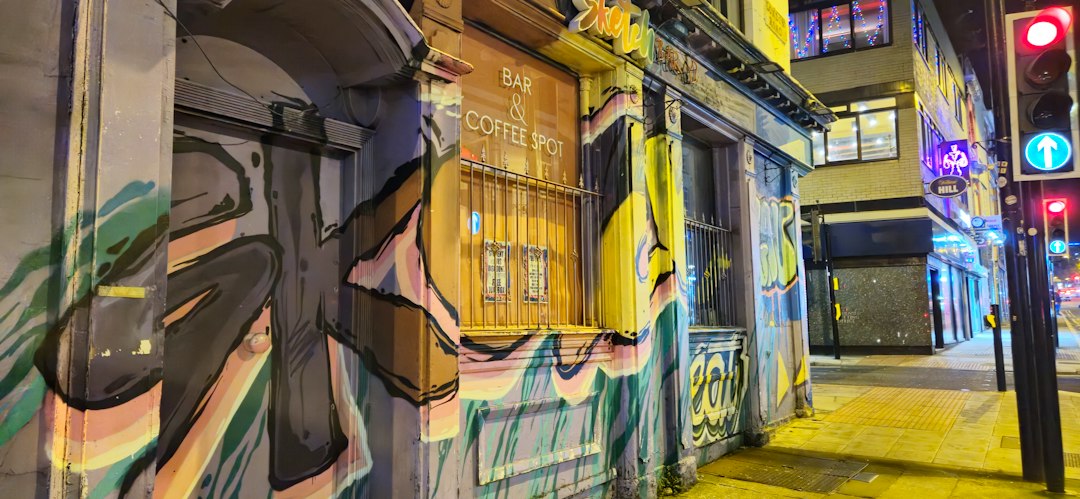

Liverpool street art transforms ordinary brick facades, industrial railway arches, and neglected alleyways into a living tapestry of urban expression and local identity. Walking through the city centre and surrounding districts reveals a complex dialogue between commissioned murals, permitted public walls, and temporary graffiti initiatives managed by cultural organisations. Furthermore, this creative landscape reflects the shifting architectural priorities of the city, where regeneration projects frequently intersect with grassroots visual culture. Understanding this medium requires looking past romanticised notions of spontaneous expression to examine the actual administrative frameworks, artist intentions, and neighbourhood contexts that shape public spaces. The Liverpool Bulletin team prepared this guide for you.
Liverpool street art… and its evolving urban canvas?
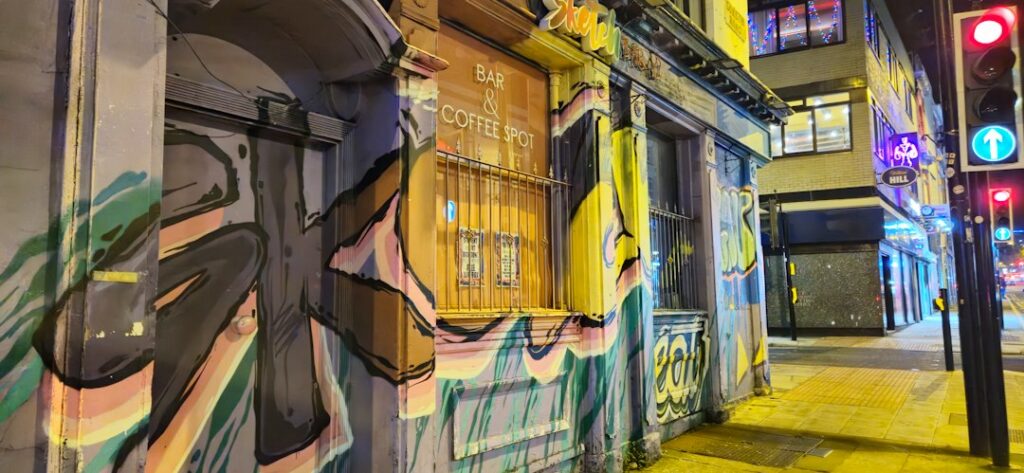
Liverpool street art encompasses a diverse range of practices, from large-scale commercial commissions on industrial brickwork to community-led heritage projects across diverse residential districts. This visual landscape does not reside exclusively within a single cultural hub like the Baltic Triangle, but instead surfaces organically throughout Ropewalks, the Ten Streets district, and various corners of North Liverpool. Local authorities, cultural agencies, and property developers increasingly recognise that public-space creativity can revitalise decaying infrastructure, though this formalisation often creates complex tensions with traditional, unauthorised writing cultures (Liverpool City Council, 2023). Consequently, observers must distinguish between sanctioned heritage murals, legal graffiti intervention walls, and transient pieces that exist only temporarily before weathering or being painted over.
The Industrial Canvas and Commissioned Walls
The physical transformation of industrial buildings often begins with deliberate commissions that honour Liverpool’s maritime and musical heritage, reshaping how residents and visitors experience everyday urban corridors. Artists working on these large-scale projects must navigate structural brickwork, changing weather patterns, and tight production schedules, ensuring their pieces endure the damp Merseyside climate. However, these works are not merely decorative additions; they frequently serve as anchors for broader regeneration efforts that alter local property values and neighbourhood aesthetics (Venue Source, 2022). For instance, walking past repurposed warehouses reveals how contemporary painters merge historical motifs with modern graphic design, creating a dialogue between the port’s industrial past and its creative present.
Beyond the grand facades, smaller alleyways and creative venues foster alternative modes of visual storytelling that prioritize community engagement over corporate sponsorship. Independent cultural hubs and local businesses often collaborate directly with painters to test new stylistic boundaries, offering spaces where emerging creators can showcase their skills without the financial pressure of commercial advertising. At the same time, many venues that support this visual culture share a close synergy with other local subcultures, much like the independent spaces explored in our guide to independent music venues across the city. This interconnected ecosystem ensures that public creativity remains tethered to the lived experiences of residents rather than existing as isolated tourist attractions.
Navigating Legal Frameworks and Transient Works
Navigating the legal distinctions between authorized murals, designated legal graffiti walls, and unauthorised tagging is essential for a complete understanding of the municipal visual landscape. While municipal frameworks often encourage officially sanctioned projects to boost civic pride, independent creators continue to utilize transient spaces to voice political opinions or critique urban gentrification (Artist Collective, 2023). This ongoing negotiation between property owners, city planners, and painters highlights the dynamic, contested nature of public space in a modern British port city. Ultimately, the durability of any specific piece depends heavily on its legal status, local community acceptance, and the shifting commercial priorities of the landlords who own the underlying brickwork.
Public art in our city is a continuous negotiation between municipal permission, architectural canvas, and the raw urgency of local expression.
Engaging deeply with these visual layers offers a richer appreciation of Merseyside’s contemporary cultural identity, far beyond generic tourist narratives. Whether you are tracking large-scale heritage projects or stumbling upon transient stencil work in a quiet side street, paying attention to the creators behind the paint reveals an authentic pulse. You can explore these neighbourhoods at your own pace, keeping in mind the complex histories and administrative decisions that allowed these colours to grace the brick. You can contact us for any questions.
References
- Artist Collective. (2023). Urban Canvas: Navigating Legal Walls and Transient Graffiti in Northern England. Liverpool Visual Arts Quarterly, 14(2), 45-52.
- Liverpool City Council. (2023). Public Art Strategy and Cultural Regeneration Framework 2023-2028. Liverpool Municipal Press.
- Venue Source. (2022). Industrial Heritage and Modern Murals: Transforming the Docklands. Merseyside Cultural Heritage Journal, 8(1), 112-128.