Liverpool’s music identity is inseparable from The Beatles, but stopping there misses most of the story. The city’s musical history has been shaped by its port, its clubs, its communities and successive generations of artists who kept reinventing what Liverpool sounded like.
Before and beyond Merseybeat
As a major port city, Liverpool absorbed musical influences arriving through sailors, records and migration long before the 1960s. That exchange helped create the conditions for the Merseybeat explosion, when The Beatles, Gerry and the Pacemakers, The Searchers and many others brought the city international attention.
The Beatles became the global symbol of that moment, but Liverpool’s music culture never settled into nostalgia. In the late 1970s and 1980s, acts including Echo & the Bunnymen, The Teardrop Explodes, Orchestral Manoeuvres in the Dark and Frankie Goes to Hollywood pushed the city into post-punk, electronic and pop territory.
Independent Liverpool
Later generations continued that pattern. The La’s, Cast, The Coral, The Zutons and numerous smaller independent acts kept Liverpool connected to national indie culture while maintaining a distinct local scene.
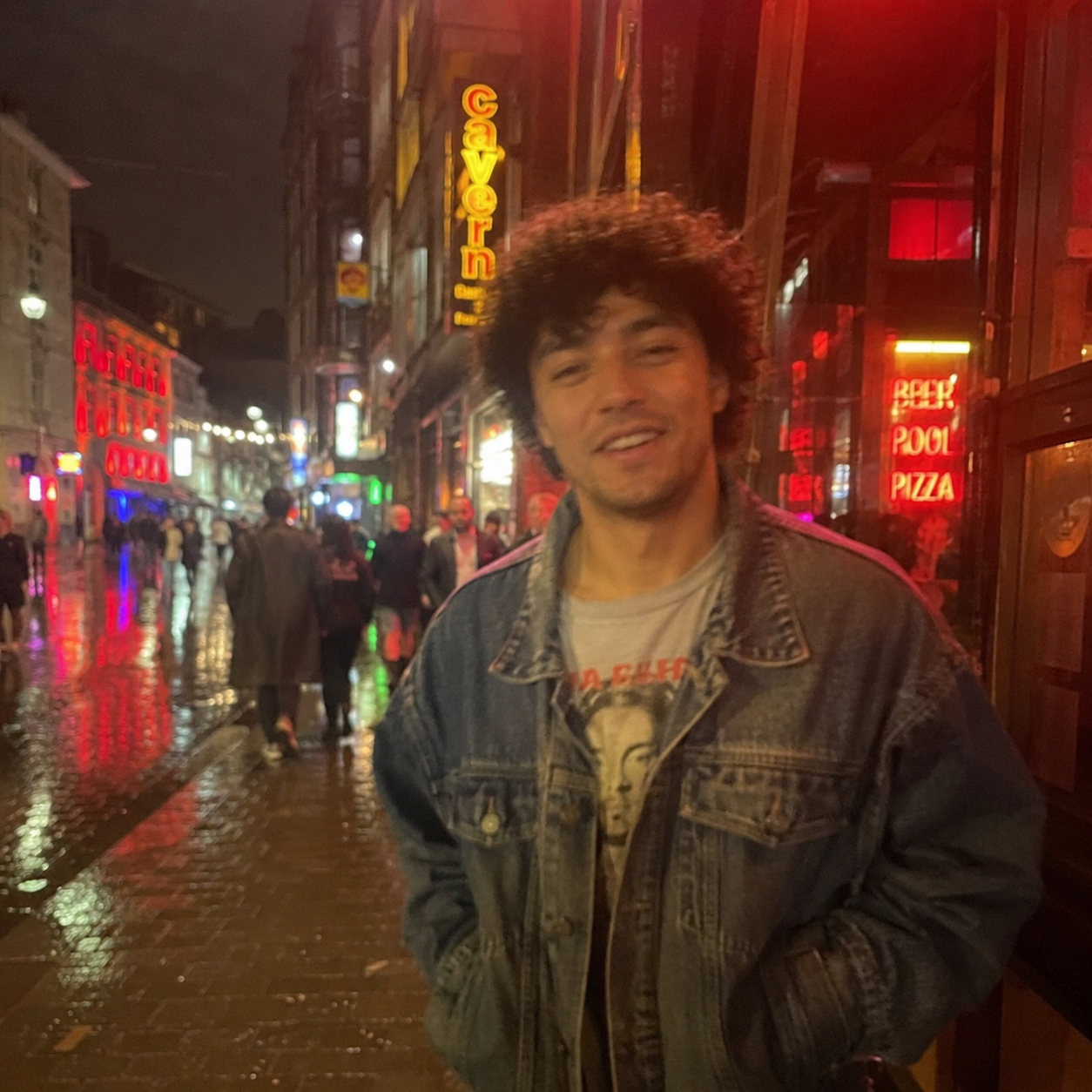
Venues have been as important as bands. The Cavern’s history is obvious, but spaces across the city centre, Baltic Triangle and surrounding neighbourhoods have provided the rehearsal rooms, club nights and small stages where new scenes form before they become visible nationally.
The Baltic Triangle and contemporary culture
The Baltic Triangle has become one of Liverpool’s best-known creative districts, combining live music, electronic events, studios, food venues and digital businesses. It is not the city’s only musical centre, but it illustrates how industrial space has been reused for new forms of culture.
Liverpool’s current challenge is familiar to many music cities: protecting grassroots venues and affordable creative space while supporting a sector that also contributes significantly to the regional economy. Liverpool City Region’s 2026 music economy report estimates that the sector contributes £780 million annually and supports more than 14,000 jobs.
That combination of history, infrastructure and continuing experimentation is why Liverpool’s musical significance cannot be reduced to a single decade. The Beatles remain central to the story, but they are one chapter in a much longer one.
Source
- Liverpool City Region Combined Authority: Liverpool City Region Music Economy report, June 2026.