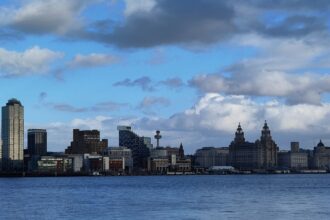
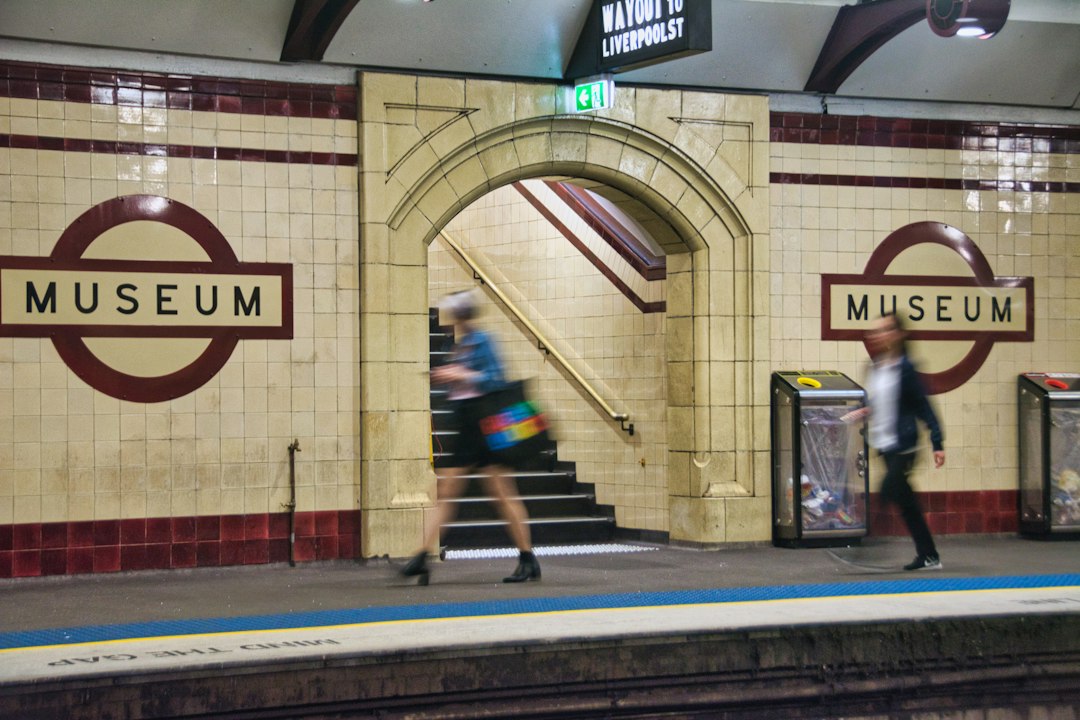

Public transport in Liverpool City Region forms a complex web of rail corridors, bus networks, and emerging active travel routes that sustain the daily movement of thousands of citizens across Merseyside. Understanding how these distinct transit elements intersect requires looking beyond simple timetables and examining the institutional frameworks, governance models, and long-term infrastructural investments shaping the local landscape. As regional authorities attempt to balance cost, reliability, and carbon reduction goals, commuter experiences continue to fluctuate between modernized rail rolling stock and complex ticketing integration hurdles. The Liverpool Bulletin team prepared this guide for you.
Public Transport in Liverpool City Region… and Regional Governance?

Public transport in Liverpool City Region is governed by a combination of local authority oversight, combined authority strategic planning, and private operator delivery models that are currently undergoing structural evolution. Navigating this network means recognizing the historical legacy of the Merseyrail network alongside ongoing efforts to reform bus services through potential franchising models (Merseytravel, 2023). Passengers often weigh the efficiency of dedicated suburban rail lines against the historical fragmentation of the broader bus and ferry services across the six local authority districts.
Looking back at the structural shifts in English regional transport policy, the devolution of powers to the Liverpool City Region Combined Authority marked a decisive turn toward localized decision-making (Department for Transport, 2021). Rather than relying entirely on centralized London-based directives, regional leaders gained the institutional tools necessary to evaluate network gaps, fare structures, and capital improvement priorities more closely aligned with Merseyside’s economic geography. This localized framework allows for a more analytical approach to evaluating trade-offs between capital-intensive rail expansions and operational bus network enhancements.
Public transport in Liverpool City Region relies heavily on the Merseyrail electric rail network, which serves as the backbone for high-volume commuter flows between Liverpool, Wirral, and surrounding boroughs. Recent introduction of modern Class 777 rolling stock has gradually transformed passenger expectations regarding accessibility, level boarding, and onboard capacity, even as network operators grapple with ongoing maintenance and infrastructure bottlenecks (Merseyrail, 2023). These rail corridors remain essential for mitigating regional congestion, yet their efficacy is frequently tested by peak-hour demand surges and occasional infrastructure incidents that ripple across the entire urban core.
The Architecture of Reform
The institutional architecture governing regional mobility is presently undergoing its most significant overhaul in decades, particularly regarding bus network reform. For years, the deregulated bus market operated under commercial models that critics argued left peripheral neighborhoods underserved and fare integration overly complex for casual users. By pursuing franchising assessments and subsequent implementation pathways, the Liverpool City Region Combined Authority aims to bring bus routes under closer public control, mirroring structural approaches seen in other major English metropolitan counties (Liverpool City Region Combined Authority, 2024).
However, administrative reform alone does not instantly resolve the practical trade-offs inherent in urban transit planning. Financial constraints, driver recruitment challenges, and the sheer logistical complexity of coordinating multi-modal timetables present ongoing hurdles for transport planners. While proponents of franchising emphasize the potential for unified ticketing, simpler route branding, and socially necessary services, skeptics highlight the considerable financial exposure and operational risks assumed by local taxpayers during the transition period.
Furthermore, broader technological shifts are gradually altering how citizens interact with urban infrastructure, echoing modern digital transformations such as those seen in renewable energy in the Liverpool City Region projects. Smart ticketing trials, real-time passenger information displays, and contactless payment integration represent incremental steps toward a more cohesive user experience. Yet, bridging the gap between cutting-edge digital passenger tools and the physical realities of aging station infrastructure remains an ongoing challenge for regional operators.
Integration and Active Travel Pathways
Seamless multi-modal integration remains the ultimate benchmark for a truly efficient urban mobility network. True integration means a commuter can transition effortlessly from a suburban bus to a Merseyrail service and finally onto a secure cycling route without facing punitive ticketing penalties or fragmented scheduling. Regional strategies increasingly incorporate active travel corridors—walking and cycling paths—designed to connect residential neighborhoods directly to major transport hubs, thereby reducing short urban car journeys and supporting broader public health initiatives.
Evaluating the success of these active travel investments requires distinguishing between funded, shovel-ready infrastructure projects and long-term aspirational proposals that lack immediate capital backing. While segregated cycle lanes and pedestrianized zones have expanded across parts of the urban center, suburban connectivity often lags behind, leaving certain communities reliant on traditional road networks shared with heavy vehicular traffic. Balancing the needs of motorists, cyclists, public transport users, and freight operators requires careful compromise and continuous public consultation.
Public transport is the vital circulatory system of any modern metropolitan region, determining both its economic productivity and its social cohesion.
- Merseyrail electrified suburban rail network operations.
- Proposed bus franchising and administrative reform models.
- Active travel and cycling infrastructure connectivity.
- Smart ticketing and multi-modal integration initiatives.
Navigating the evolving landscape of regional mobility requires patience and a clear-eyed view of both the systemic improvements and the persistent operational hurdles. As administrative reforms take root and new rolling stock beds down into daily routines, the overarching goal remains a reliable, accessible, and environmentally sustainable transit network for all residents. You can contact us for any questions through our contact page.
References
Department for Transport. (2021). Bus Back Better: National Bus Strategy for England. London: DfT.
Liverpool City Region Combined Authority. (2024). Transport Plan and Governance Framework Update. Liverpool: LCRCA.
Merseytravel. (2023). Local Transport Network Performance and Strategy Report. Liverpool: Merseytravel.
Merseyrail. (2023). New Fleet Introduction and Network Modernisation Review. Liverpool: Merseyrail.