
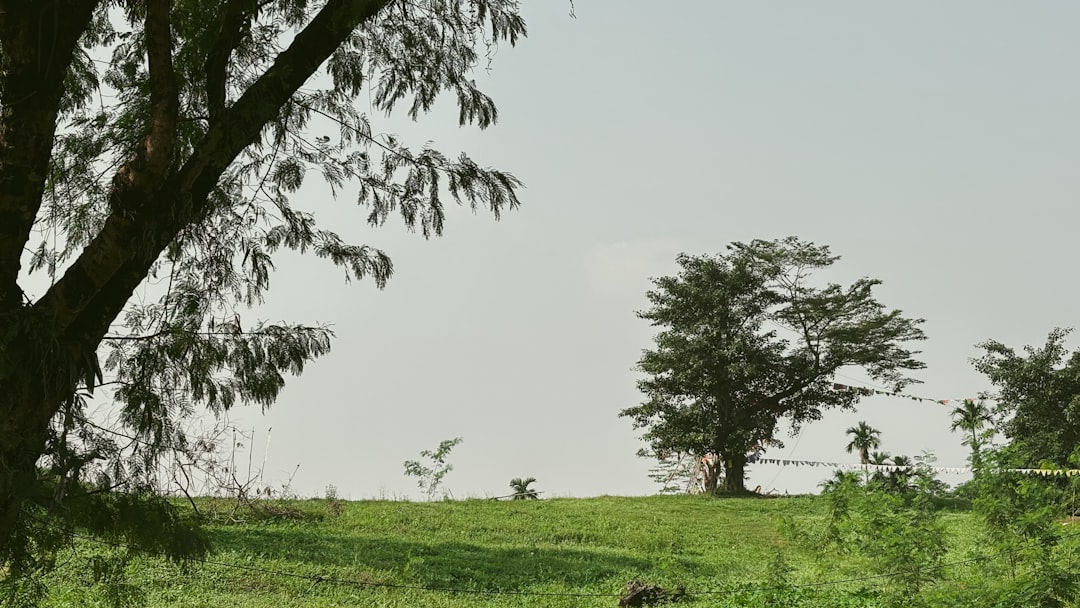

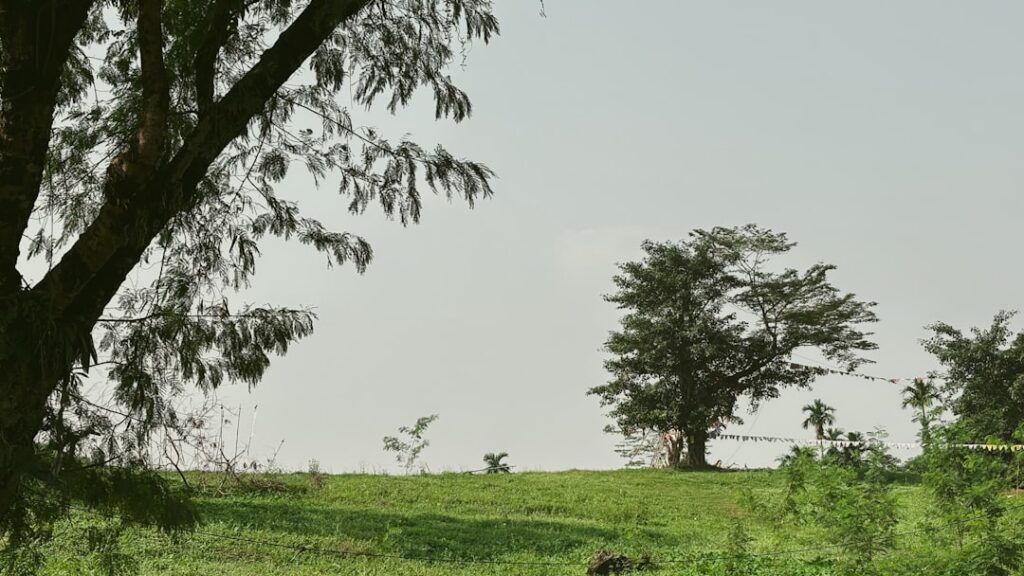
Liverpool’s parks and green spaces are part of the city’s social, environmental and public-health infrastructure. They provide places for recreation and social contact, support biodiversity and can help cities manage heat, rainfall and air-quality pressures.
More Than an Aesthetic Feature
Urban green spaces can support physical activity, social connection and psychological restoration. They can also provide shade, habitat and drainage benefits. World Health Organization reviews link well-designed green-space interventions with positive environmental, social and health outcomes, while also stressing that quality, accessibility and community use matter.
That distinction is important. A park does not automatically improve health simply because it exists. Safety, maintenance, accessibility, facilities, transport connections and whether residents feel welcome all influence how much value a green space provides.
Green Space and Health Inequality
Liverpool’s own public-health strategy places strong emphasis on reducing health inequalities. The city’s State of Health in Liverpool work highlights deep differences in healthy life expectancy between neighbourhoods and argues for action on wider determinants such as housing, poverty, employment and the local environment.
Green-space policy therefore sits within a much wider picture. Parks cannot compensate for poor housing or low income, but good-quality local environments can form part of a healthier and fairer city.
What Liverpool Is Doing
Liverpool City Council’s 2026–27 budget includes more than £7.5 million for parks, green spaces and street-scene services. The council has also said it wants to improve parks, play facilities and biodiversity as part of its wider neighbourhood strategy.
The city manages a wide range of parks, from Sefton Park and Calderstones to smaller neighbourhood spaces. It has also reduced mowing frequency in some areas and established wildflower sites to support biodiversity.
Avoiding Simple “Nature Prescriptions”
The original version of this article presented “120 minutes a week in nature” as a simple rule for wellbeing and used language suggesting that parks directly reduce stress and anxiety in a predictable way. Research can identify associations and potential benefits, but individual outcomes vary and green space should not be presented as a treatment.
For Liverpool, the stronger argument is practical: accessible, safe and well-maintained green spaces can support healthier routines, stronger neighbourhoods, biodiversity and climate resilience when they are planned alongside other public services.