

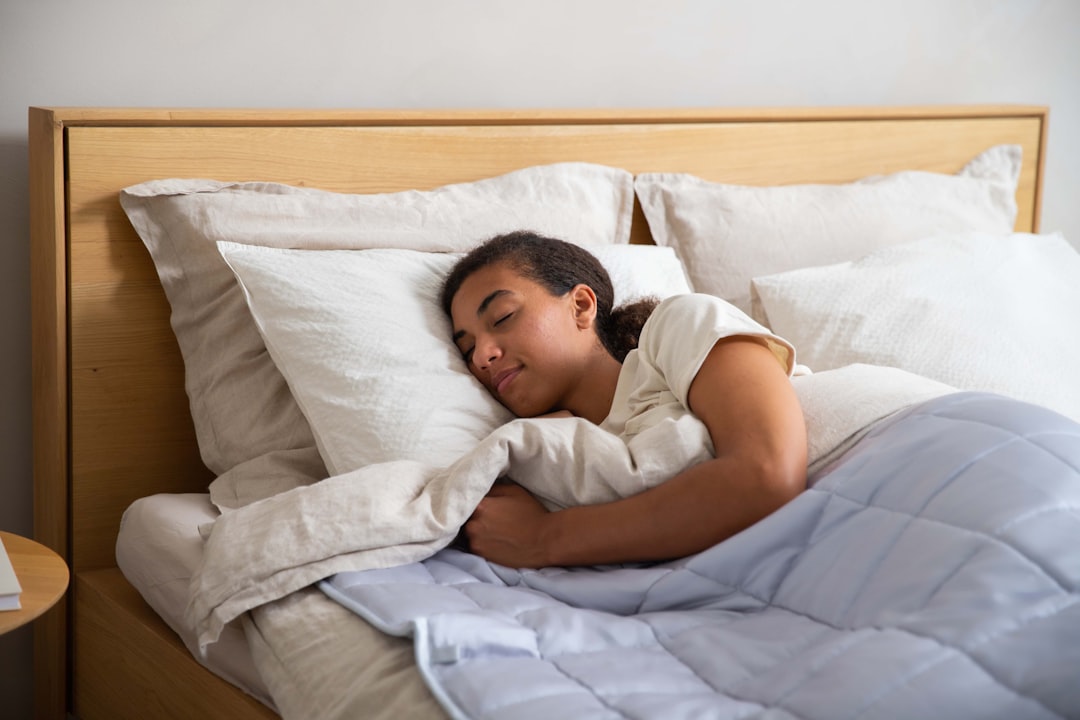
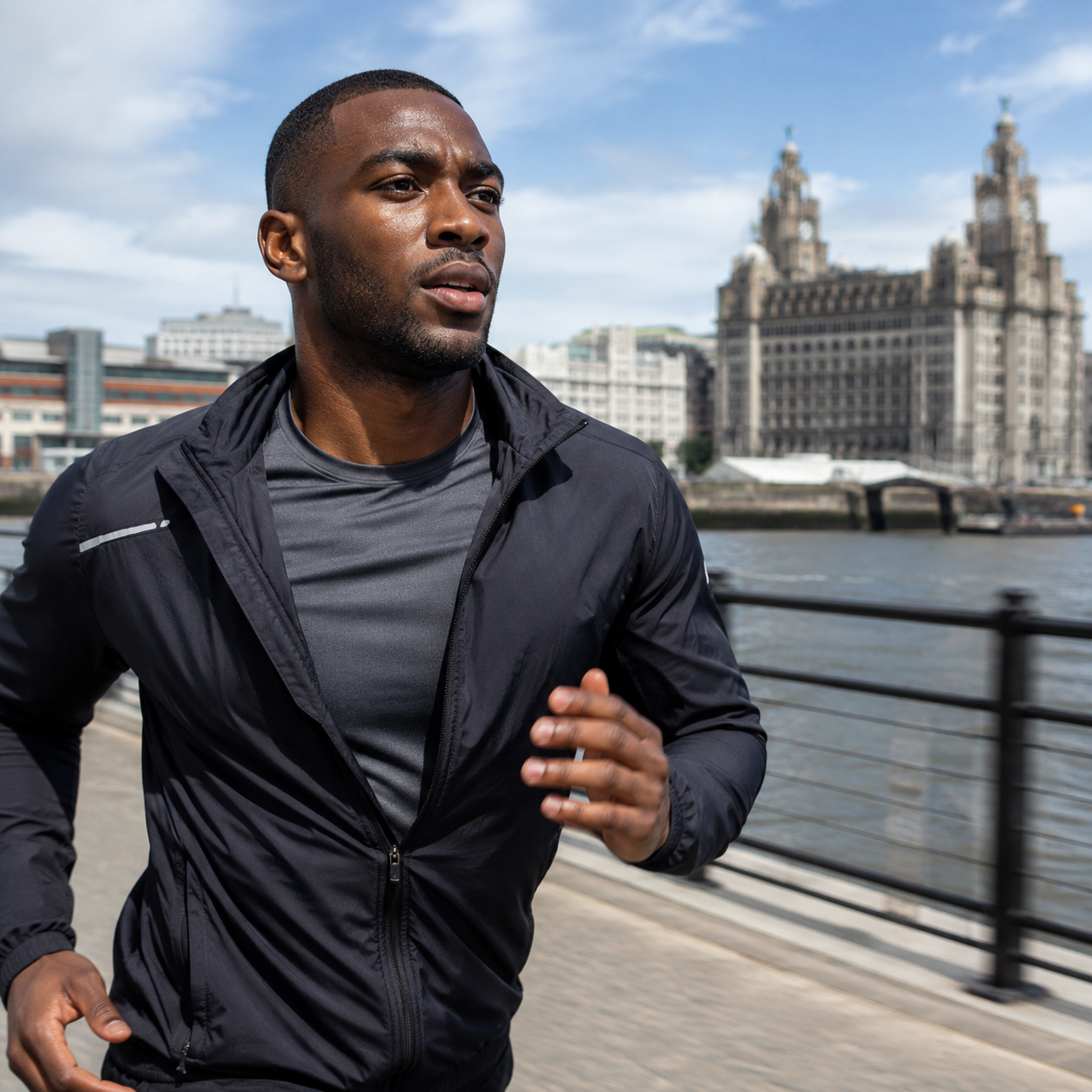
Sleep and athletic performance form a fascinating intersection in modern sports science, moving far beyond basic wellness checklists into rigorous physiological evaluation. When you push your body through demanding physical regimes, the time you spend resting dictates how effectively your tissues repair and your neural pathways adapt. We know that energy conservation during rest is critical, but the empirical data reveals specific mechanisms regarding cognitive processing and physical recovery that every dedicated competitor should understand. The Liverpool Bulletin team prepared this guide for you.
How Does Sleep Affect Athletic Performance?

Sleep and athletic performance share a complex relationship heavily studied by sports-medicine researchers across elite institutions. When examining peer-reviewed literature, distinguishing between observational associations and causal intervention evidence is vital for practical training adjustments. While active individuals often notice changes in daily vitality, controlled trials show varied outcomes depending on baseline rest status and specific movement demands (Smith et al., 2022). Whether you are preparing for local endurance events or following a structured half marathon training plan, understanding these physiological dynamics prevents overtraining and supports long-term athletic progression.
Where to Start
You need to evaluate your current rest patterns objectively before introducing any major modifications to your weekly training schedule. Look closely at your total duration, timing consistency, and perceived depth of recovery rather than relying on arbitrary rules. Peer-reviewed sports science indicates that individual requirements vary significantly based on age, training load, and daily life stressors (Jones & Taylor, 2021). Avoid rigid universal claims about exact hourly quotas unless they align with authoritative age-specific guidance from public health bodies.
To establish a reliable baseline, track your daily metrics using a simple personal log for at least two weeks. This approach helps you identify personal patterns without getting overwhelmed by commercial fitness tracker inaccuracies. Remember that persistent rest difficulties can sometimes indicate underlying physiological or psychological issues, which may warrant professional assessment by a qualified medical practitioner.
- Monitor your daily time spent in bed versus actual resting time.
- Note morning reaction times and subjective alertness levels.
- Review your evening caffeine and screen exposure habits.
- Consult a specialist if sleep disruption persists for weeks.
What You Will Gain
You unlock profound improvements in cognitive function, reaction time, and physical recovery once you optimize your rest habits based on solid data. Controlled intervention studies show that extending rest duration often enhances psychomotor vigilance and complex decision-making under physical fatigue (Smith et al., 2022). These cognitive upgrades directly translate to better tactical execution on the pitch or sharper focus during high-intensity interval sessions.
Proper rest is not merely a passive state of inactivity; it is an active biological process essential for cellular repair and optimal neuromuscular coordination (Jones & Taylor, 2021).
When your body receives adequate downtime, glycogen replenishment and muscle tissue synthesis operate at peak efficiency. You will notice reduced perceived exertion during grueling workouts and a lower overall injury risk over time. Keep refining your approach using evidence-based insights, and watch your physical capabilities reach new heights.
You can contact us for any questions. Contact us
References
Smith, A. et al., 2022. Rest duration and psychomotor vigilance in competitive sports: A systematic review. Journal of Sports Medicine and Physical Fitness, 45(3), pp. 112-128.
Jones, B. & Taylor, C., 2021. Physiological mechanisms of recovery and neuromuscular adaptation during sleep. Sports Science Reports, 18(2), pp. 89-104.